


Our lineup of keynote speakers and concurrent session presenters is coming together.
Check back as featured experts are confirmed.

Director of Policy and Research, The Partnership for College Completion
Mike Abrahamson (he/him) is the Director of Policy and Research for the Partnership for College Completion, where he works on policy affecting equitable college access, affordability, and accountability in Illinois. Before joining the Partnership, Mike worked as a Fellow for the Chicago Mayor's Office and for One Million Degrees while completing a master’s degree from the University of Chicago Harris School of Public Policy.

Senior Director of State Policy, KnowledgeWorks
Jon serves as the Senior Director of State Policy at KnowledgeWorks, where he leads efforts to transform state policy to empower schools and districts seeking to successfully implement personalized and competency-based systems and structures. Jon began his career as a classroom teacher and administrator in Memphis, Tennessee. Prior to KnowledgeWorks, Jon has served in education policy roles at the U.S. Department of Education, in the U.S. Senate, and at the National Governors Association. Jon lives in Washington, D.C. with his wife and two young children.
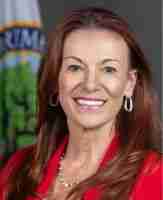
Assistant Secretary for the Office of Elementary and Secondary Education, U.S. Department of Education
Kirsten Baesler is the Assistant Secretary for the Office of Elementary and Secondary Education at the U.S. Department of Education. Guided by the wellbeing of children, she is committed to working with families and states to provide each child with what they need to reach their highest levels of success. Kirsten is a passionate advocate for developing young people as citizens who have respect, courage, compassion, integrity, a sense of responsibility, and appreciation of the unique nature of this great nation.
Previously, she served as the state school superintendent and the administrator of the North Dakota Department of Public Instruction. There, she oversaw the education of students in 168 school districts and 54 nonpublic schools across the state. Kirsten and her team led significant improvements in the graduation rates and academic success of the state’s Native American students, improved access to personalized learning choices for students and their families and led the nation in computer science and cybersecurity instruction in grades K-12.
Before taking office in January 2013, Superintendent Baesler had a 24-year career in the Bismarck public school system – the state’s largest school district – as a vice principal, districtwide technology integration specialist, library media specialist, elementary teacher, and instructional assistant. She has served on more than a dozen boards, including the Education Standards and Practices Board, the Career & Technical Education Board, the Teachers’ Fund for Retirement Board, and the Board of University and School Lands, which manages state land holdings and oversees a $7+ billion trust fund to benefit North Dakota’s public schools.
Baesler earned two associates’ degrees from Bismarck State College, a bachelor’s degree in education from Minot State University, and a master’s degree in library and information technology integration from Valley City State University and has completed a certificate program in Educational Leadership at Harvard University. She has earned the Valley City State University’s Distinguished Alumni Award and the Rising Star Award from Bismarck State College. Assistant Secretary Baesler is a native of Flasher, N.D. She lives in Washington, D,C., and has three adult sons, a daughter-in-law, and three granddaughters.

Associate Superintendent of Public Instruction, Arizona Department of Education
Sid Bailey has been a high school administrator in Arizona for over 40 years, including 11 years at the helm of Washington High School, a nationally recognized school chronicled as a highly effective school in a promotional series produced by the “Association for Supervision and Curriculum Development” (ASCD). He too had the honor of being the principal of another nationally recognized school. Sid has served at the District level having been in charge of athletics, student conduct, long term suspension and expulsion hearings, transportation, assistant principal development and more. He has been an Educational Consultant for many schools though out Arizona. Currently Sid is an Associate Superintendent over Effective Teachers & Leaders, Certification, School Safety, and Charter Schools at ADE.

Chief Learning Services Officer, iCivics
Mya Baker joined iCivics in 2024 as the Chief Learning Services Officer, leading business strategy and the design of learning services for teachers, leaders, and districts. Prior to this, Mya was Vice President in the Consulting division at TNTP, where she oversaw work across 14 states, significantly expanding TNTP’s impact and revenue—from $3 million to $15 million in four fiscal cycles—supporting over 3 million students. Her leadership encompassed curriculum adoption, instructional improvement, school turnaround, community engagement, talent management, and leadership development. She also developed an academic diagnostic process used in hundreds of schools annually. Previously, Mya served as Senior Director of Curriculum and Instruction at Uplift Education in Dallas-Fort Worth, managing five academic teams and overseeing curriculum development, academic programming, English as a Second Language support, and instructional coaching across 40 schools serving over 18,000 students. She was instrumental in the certification of 32 International Baccalaureate programs, making the district the largest group of IB continuum schools in North America. Mya’s career began in school-based roles, progressing from a 5th-grade teacher to a Principal and Principal Manager in Washington, DC. During her early years, she also trained new teachers through Teach for America and DC Teaching Fellows. Mya holds a Bachelor of Science in Communications and a Bachelor of Arts in Government from the University of Texas at Austin, and a Master’s Degree in Teaching & Learning from American University. Mya is a dedicated servant leader with a passion for fostering positive environments and advancing education through strategic planning and development. Her extensive experience in instructional and district leadership informs her innovative approach to business strategy.

Coordinator of Learning Through Technology, Maine Department of Education
As Coordinator of Learning Through Technology, Emma leads the strategic direction and statewide implementation of the Maine Learning Technology Initiative (MLTI), one of the nation’s longest-standing and most comprehensive educational technology programs. She drives a forward-looking vision for how technology can transform teaching and learning, guiding long-term planning, cross-sector partnerships, and innovative program design.
Emma spearheads efforts to build educator capacity through high-impact professional learning, while advancing digital equity to ensure every student, regardless of geography or circumstance, has access to meaningful, future-ready learning experiences. Her work sits at the intersection of education, technology, and policy, positioning Maine as a national leader in reimagining how schools prepare students for a rapidly evolving, digitally connected world.

Chair, Education Committe, Indiana House of Representatives
State Rep. Bob Behning has served in the Indiana House of Representatives since 1992 and represents House District 91, which includes a portion of Marion County. He was born and raised in Indianapolis and has been a proud Hoosier his entire life. In 1976, he received a Bachelor of Science degree from Indiana University. Throughout his tenure as a representative, he has advocated for education reform in Indiana. As chair of the House Education Committee, he led a multiyear effort to successfully pass the most comprehensive education reform package in the United States. Behning believes all parents deserve the right to choose the school that best meets their child's needs. In 2011, Behning authored legislation creating the School Choice Scholarship program, providing families who do not have the financial means to pay the cost of tuition at a private school with a scholarship (or voucher). Indiana currently has the largest school voucher program in the United States. Behning currently works at Marian University as the assistant vice president and director of the Center for Vibrant Schools.

Colorado Evaluation and Action Lab, Senior Researcher / Project Director
Dr. Ernest Boffy-Ramirez is a labor economist and IZA Institute of Labor Economics Fellow whose previous research on labor market dynamics led him to seek out opportunities to effect tangible change with the Colorado Lab. Before joining the Colorado Lab, Ernest spent over a decade as a professor of economics at the University of Colorado Denver. During this time, he taught and honed quantitative skills to uncover insights on a wide range of topics, including labor force participation, unemployment, migration, job quality and turnover, job-lock, human capital accumulation, and compensation. This experience also afforded him opportunities to collaborate with various community partners and nonprofit organizations. At the Colorado Lab, Ernest leverages his deep knowledge in labor economics and applied econometrics to propel the Colorado Lab’s policy mission forward, focusing especially on projects related to workforce development, economic mobility, and cash assistance.
Motivated by the Colorado Lab’s Essential Elements, dedication to rigorous research, undertaking high-risk, high-reward projects, and acting as a conduit between the research community and external stakeholders, Ernest is passionate about pioneering innovative, data-driven solutions.

North Carolina Department of Health and Human Services: Division of Child Development and Early Education

Chief of Staff, Deputy Mayor for Education, District of Columbia
Clara Haskell Botstein serves as Chief of Staff for the DC Office of the Deputy Mayor for Education (DME), where she advances the office’s strategic priorities for DC’s education and workforce development systems. Clara previously served as the DME’s Senior Director of Policy and Legislative Director, leading efforts to expand college and career pathways for students and overseeing the office’s legislative and political priorities. Prior to the DME, Clara worked in leadership at the Bard Early College, a network of public early colleges that allow high school students to earn college credits up to an associate degree, free of charge, alongside a high school diploma. Clara established new schools in Baltimore, Cleveland, and Washington, D.C. and led policy and advocacy work at the local, state, and federal levels. Clara has nearly two decades of experience in policy and advocacy work in the field of education and youth development. Clara holds a Master of Public Policy degree from the University of California, Berkeley, and a Bachelor's degree in history from Princeton University. She lives in Petworth neighborhood of Washington, D.C. She co-founded Petworth PorchFest, DC’s largest neighborhood music festival, and serves on the board of the Uptown Main Street.

Computer Science Specialist, Maine Department of Education
Allison Braley is the Computer Science Specialist at the Maine Department of Education. She previously taught computer science and served as a technology integrator for nine years, supporting students and educators in innovative technology use. In 2022, she was recognized as the CSTA/Infosys Foundation USA CS Teaching Excellence Award winner for New England. A former Vice President of the Maine CSTA chapter, Allison is part of the leadership team for Maine’s ECEP and PrepareCS initiatives, working to expand equitable and engaging CS education statewide. She has presented at numerous state and national events focused on computer science and AI.

Vice President of Operations and Partnerships, Student-Ready Strategies

Secretary, Alabama Department of Early Childhood
Ami Brooks is the Secretary of the Alabama Department of Early Childhood Education. Until June 2025, she served as director for the P-3 Partnership at the Department where she administered all aspects of the P-3 program, the foundation of Governor Ivey’s Strong Start, Strong Finish education initiative. She also has a background as a coach facilitator with the Department and was one of the state’s first coach facilitators. Ms. Books has been a key leader in the success of the Alabama First Class Pre-K program which has been ranked as the nation’s highest quality state pre-kindergarten program for nineteen consecutive years. She managed the implementation of a statewide assessment tool, as well as leading the revision of the Kindergarten Entry Assessment, and has been a major driver in the growth and improvements made to benefit Alabama’s earliest learners. Ms. Brooks began her career in the classroom and taught Alabama students ranging from the youngest in Pre-K to fourth graders. In 2017, Ms. Brooks was selected as a finalist for Alabama Teacher of the Year.

Founder, DL Research Solutions
Danica Brown, Ph.D., founder of DL Research Solutions, is an experienced researcher based in New Orleans. She partners with organizations to transform data into meaningful community impact through mixed-methods evaluation and consulting. With expertise across education, youth programs, and community health, she supports capacity building, sustainability, and equity-centered decision-making. Dr. Brown’s work spans the Gulf South and beyond, helping organizations navigate challenges and drive systems change with a focus on educational justice and community empowerment.

Superintendent, Ralston Public Schools
Jason Buckingham is the current superintendent for the Ralston Public Schools located in Ralston, Nebraska. Ralston is a small community which is a part of the larger Omaha metro area. Jason has been superintendent for the past three years, and has worked in many capacities at Ralston, including teaching and coaching, building level administration, central office administration and the superintendency. Along the way he has received degrees in Business Management, Secondary Education, Curriculum Development, and two degrees in Educational Administration. This year marks the 28th year of Mr. Buckingham’s service to Ralston.

Director of Public Policy and Partnerships, Alliance for Decision Education
Mary Call Blanusa is the Director of Public Policy and Partnerships at the Alliance for Decision Education, dedicated to advancing equitable and effective education policy through collaborative leadership. With over 20 years in education nonprofits and philanthropy, she has led policy and advocacy efforts at district, state, and national levels. Previously, Mary was Executive Director at The Northern New Jersey Community Foundation, leading initiatives on climate change and public art. As Senior Director of Strategy at America Achieves, she developed education-to-workforce programs with partners like Amazon and Uber. At The Helmsley Charitable Trust, she managed education policy and advocacy grantmaking. She has also held leadership roles at the Council for Economic Education, expanding access to economic and financial literacy. Mary began her career as a Peace Corps volunteer teaching in Hungary. Mary holds a Master’s degree from the Heller School of Public Policy at Brandeis University and a Bachelor’s degree from American University. She currently serves as a Trustee at the Northern New Jersey Community Foundation and as Board Chair of The English Learners Success Forum.
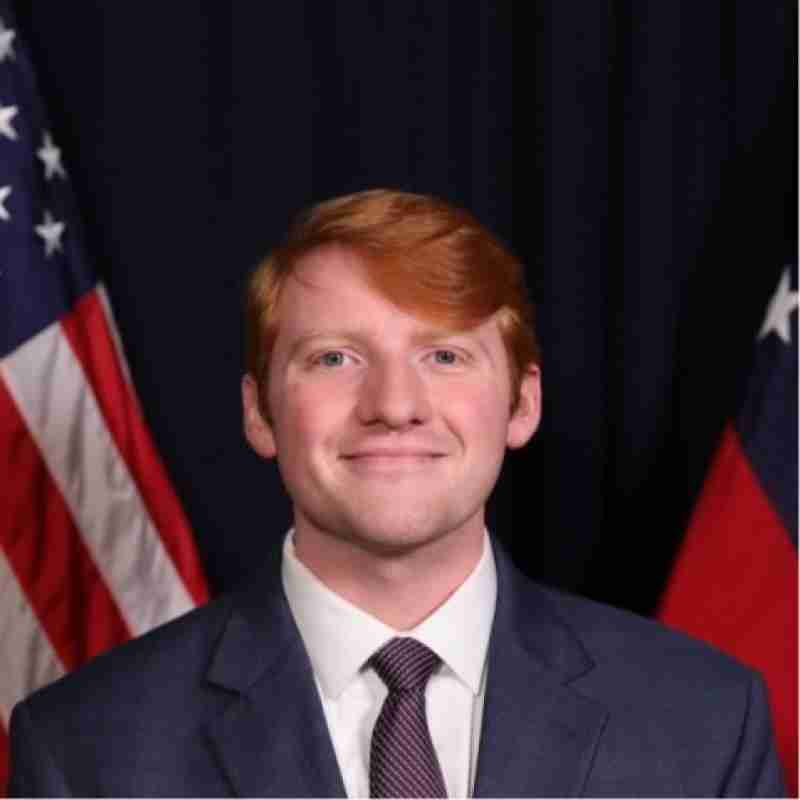
House Legislative Liaison and Senior Policy Advisor, Georgia Governor’s Office of Brian P. Kemp
Alex Huskey currently serves as Senior Policy Advisor for Education and Workforce Development in the administration of Brian P. Kemp, where he helps shape statewide policy initiatives focused on strengthening Georgia’s education systems, workforce pipelines, and economic competitiveness. In this role, he works across agencies, legislative stakeholders, and executive leadership to advance the Governor’s priorities on talent development, higher education, and workforce readiness.
His experience at the intersection of public policy and government affairs has positioned him as a trusted advisor on issues impacting Georgia’s long-term economic and workforce development strategy.

Consultant, Cherry Strategies
Bridget K. Cherry’s work has spanned nonprofits, federal and local government, and philanthropy. Bridget is Founder & CEO of Cherry Strategies and currently provides support for Compact 2043, DC’s commitment to strengthen and expand postsecondary pathways for DC students. Bridget previously served as a Program Officer on the Walton Family Foundation’s Education team. She served as special assistant for policy for the DC Office of the State Superintendent of Education. Bridget has held positions at City Year, Inc. and the U.S. Department of Education, where she was a presidential management fellow and served as a program officer for the Race to the Top program. She also served as an Education Pioneers fellow in Washington, DC. Bridget started her career in education as a middle school teacher in Cofradía, Honduras. She received her Bachelor of Arts in English from Yale University and her Master in Public Affairs from Princeton University’s School of Public and International Affairs. Bridget lives in the DC area with her husband and two daughters.

Edunomics Lab at Georgetown University McCourt School of Public Policy
Executive Director, ECDataLab
Missy Coffey, Ph.D., is a national expert in early childhood integrated data systems. She is the Executive Director of ECDataLab. Her experience and research focus on using data from local, state, and federal agencies to inform program and policy decisions in early childhood care and education. Over the last decade she has helped more than 40 states with their early childhood integrated data system. She has a Ph.D. from George Mason University and an M.A. in public policy evaluation from Claremont Graduate School.

Director of Strategy and Partnerships, Colorado Equitable Economic Mobility Initiative (CEEMI)
Jess Corvinus brings more than a decade of experience advancing evidence-based policy, data systems, and cross-sector partnerships in Colorado and beyond. She began her career at her alma mater, the University of Colorado Boulder, where she served as an implementation specialist for the evidence-based LifeSkills® Training program through the Center for the Study and Prevention of Violence—supporting high-fidelity delivery and translating research into practice. Jess went on to serve as Chief of Evidence-Based Policy in the Colorado Governor’s Office of State Planning and Budgeting, where she analyzed, documented, and promoted the use of research and evidence across state government. In this role, she championed evidence building, data access, and outcome measurement to strengthen publicly funded programs. She also served as Director of Dissemination for the Colorado-developed Fostering Healthy Futures® program, leading state and national partnerships to expand the program’s reach and impact. In late 2021, Jess took intentional time to focus and reflect on the next chapter of her professional journey. During that period, she began working with CEEMI, supporting its early growth and helping shape its approach to building a statewide culture of impact. Over the past three years, she has served as Senior Programs and Evidence Advisor, contributing to flagship initiatives focused on evidence building, wage outcomes, and data systems access. In 2026, Jess joins CEEMI full time as Director of Strategy and Partnerships, where she leads strategic initiatives, cultivates cross-agency and philanthropic partnerships, and advances efforts to align data, evidence, and policy to improve economic mobility outcomes for Coloradans. Jess holds a master’s degree in Criminal Justice and Criminology from the University of Maryland and a bachelor’s degree in Sociology and Political Science from the University of Colorado.

Director of Curriculum Projects, Arkansas Department of Education
Amy Counts serves as the Director of Curriculum Projects at the Arkansas Department of Education, where she leads the development and implementation of curriculum and tutoring initiatives that align with state standards and support student achievement. With a strong background in instructional design and educational leadership, Amy collaborates with district leaders, educators, and stakeholders to create resources that enhance teaching and learning across the state.
Prior to her current role, Amy worked in curriculum development and professional learning, supporting the design of evidence based instructional practices and continuous classroom improvement. She brings over 15 years of experience as a classroom teacher and is driven by a commitment to empowering educators and ensuring all Arkansas teachers and students have access to high quality learning opportunities.

Superintendent of Public Instruction, Idaho Department of Education
Debbie Critchfield was sworn in as Idaho’s Superintendent of Public Instruction in January 2023. She brings extensive leadership experience across state and local education systems, including seven years on the Idaho State Board of Education, a decade as an elected school board member, and nine years as a district public information officer. Critchfield has been appointed to multiple education task forces by two governors and has served in leadership roles with statewide education and community organizations. Her career reflects a deep commitment to public education, collaborative governance, and student-centered policy.

2025 National Teacher of the Year, Council of Chief State School Officers
Ashlie Crosson, the 2025 National Teacher of the Year, serves as an English teacher at Pennsylvania’s Mifflin County High School, where she aims to prepare her students to navigate the complexities of our global society. Crosson believes in building a strong curriculum that develops communication skills, empowers students to solve problems
and expands their worldview. Crosson teaches Advanced Placement language and composition, English 10 and Survival Stories, an elective that approaches global humanitarian crises from a youth perspective. She also advises the journalism program, which publishes the school newspaper and district magazine.
As the 2025 National Teacher of the Year, Crosson will spend a year representing educators and serving as an ambassador for the teaching profession.
Senior Associate, Center for Assessment
Nathan Dadey is interested in the design, scaling, and use of educational assessments, particularly assessments used for accountability purposes. He aims to produce methodological and applied work that contributes to improved understanding and use of assessment results in policy contexts. In terms of methodological work, Nathan focuses on tackling issues in which typical educational measurement approaches fall short. One such area is the measurement of the Next Generation Science Standards (NGSS). For example, Nathan has supported multiple state departments of education (Delaware, Wisconsin, and Nebraska) in developing conceptualizations of their NGSS statewide systems of assessments, leading content specialists in the creation of three dimensional tasks, assisting multiple SCASS groups within the Council of Chief State School Officers and reviewing NGSS performance task quality and evaluation tools (with Achieve). A second area deals with the numerous challenges inherent in designing and implementing comprehensive systems of assessment. While working to tackling these kinds of challenges, Nathan has explored ways in which a set of “mini-interim” assessments can be scaled (with Curriculum Associates), written a policy brief addressing ESSA’s interim assessment provision and explored ways in which Bayesian networks can be used to summarize interim and summative assessment results. In terms of applied work, Nathan focuses on issues that threaten the validity of assessment and accountability operational programs. These issues include the dimensionality of alternate assessment based on alternate achievement standards (on behalf of NCSC), the impact of interruptions on online assessment results (on behalf of the Smarter Balanced Assessment Consortia) as well as recommendations to address such impacts (on behalf of CCSSO), the representation of English Language Proficiency within state accountability systems (on behalf of the Latino Policy Forum), and the comparability of assessment scores across multiple digital devices (on behalf of the TILSA SCASS). Nathan received a Ph.D. from the University of Colorado Boulder with a concentration in research and evaluation methodology. Nathan Dadey focuses on using psychometric and statistical methods to address practical problems, including issues related to combining interim assessment data, dimensionality of alternative assessments, subscores, and vertical scales.

Senior Researcher, American Institutes for Research
Senior Researcher

Emerging Technology Digital Specialist, Maine Department of Education
Nicole Davis is the Emerging Technology Digital Specialist for the Maine Department of Education and a former classroom teacher with over 20 years of experience in math and science education. She leads statewide efforts around artificial intelligence and emerging technologies, including the development of Maine’s AI Guidance Toolkit. Nicole designs professional learning experiences that emphasize ethical, responsible, and inclusive AI throughout the state of Maine and has presented nationally at FETC, CSTA and ISTE.
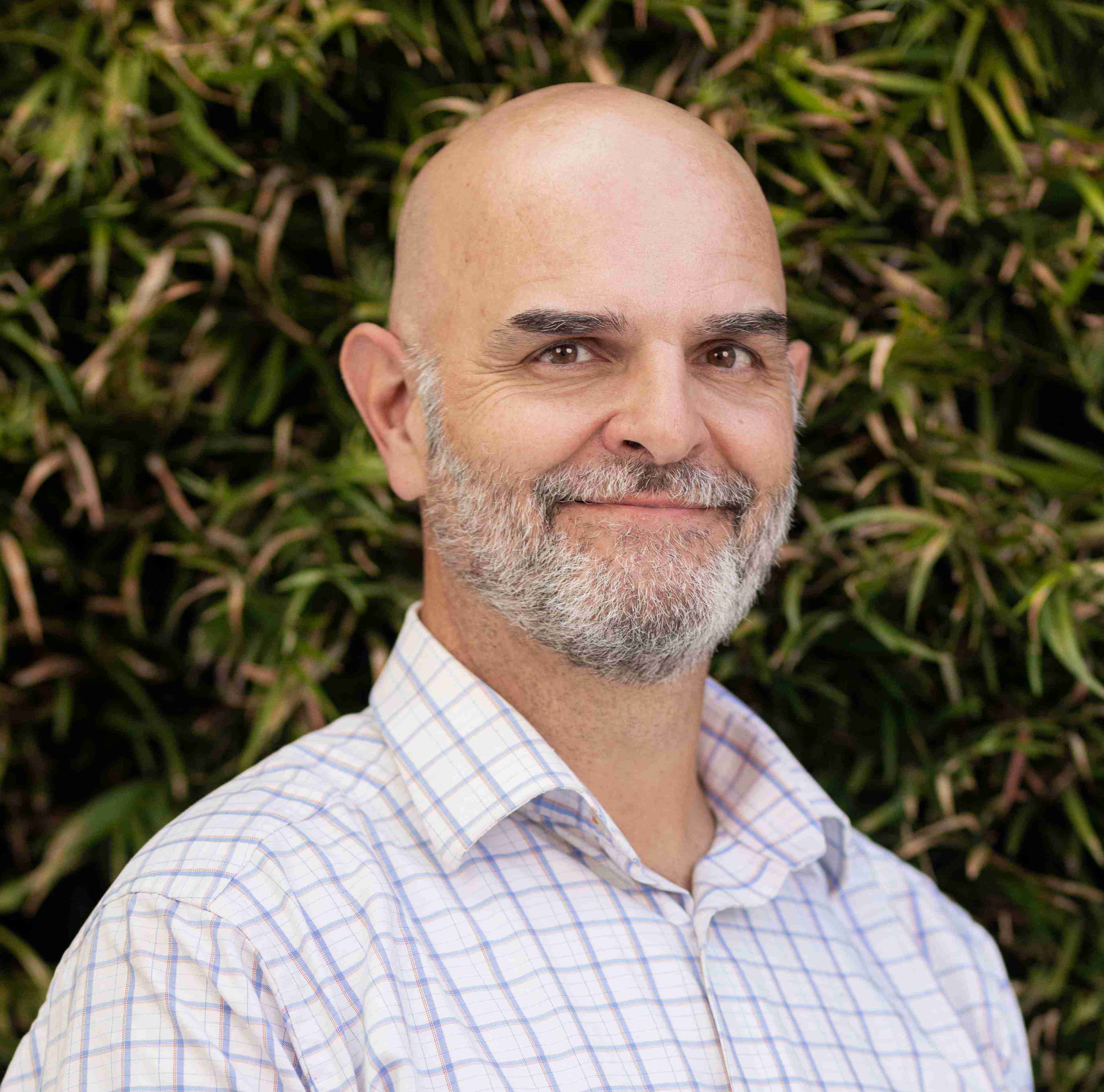
CEO, GreatSchools.org
Jon Deane is the chief executive officer of GreatSchools.org, the nation’s leading school information nonprofit, which helps parents make confident, informed decisions about their child’s education. He brings over two decades of experience in K–12 education and education philanthropy.
Prior to his work at GreatSchools, Jon served as a director on the education team at the Chan Zuckerberg Initiative (CZI), where he worked with schools, districts, states, researchers, and nonprofit organizations to advance personalized learning strategies. Prior to CZI, he was a senior program officer on the K–12 education team at the Bill & Melinda Gates Foundation. Jon joined the Gates Foundation from Summit Public Schools, where he served as chief information officer. As a member of the executive team, he led the development of internal data systems and helped expand access to Summit’s instructional platforms for schools nationwide.
Earlier in his career, Jon was the founding executive director of Everest Public High School. He also served as an administrator and high school math teacher at Summit Prep, Summit’s flagship school, and began his teaching career at Prospect Hill Academy Charter School in Cambridge, Massachusetts. Before transitioning into education, Jon worked in the private sector as a CPA at Deloitte & Touche and Montgomery Securities, and later as controller at Callan Associates.
Jon holds a bachelor’s degree in economics from Stanford University and a master’s degree in education from the Stanford Teacher Education Program. He is a Governing Board member for the Lafayette (CA) School District, and previously served as board chair of the Children’s Creativity Museum in San Francisco.

President & CEO, National Association of State Boards of Education
Paolo DeMaria is the President & CEO of the National Association of State Boards of Education (NASBE). He joined NASBE in January 2022. Prior to joining NASBE, DeMaria served for five years as the State Superintendent of Public Instruction at the Ohio Department of Education where he led the development and implementation of Ohio’s Strategic Plan for Education, Each Child, Our Future. DeMaria focused on improving literacy outcomes, developing and promoting a whole child framework, supporting and elevating teacher excellence and leadership, promoting Ohio’s school-based health care toolkit partnerships with the health care community, and promoting career and technical education and stronger business-education partnerships. Previously he held positions including Executive Vice Chancellor of the Ohio Board of Regents, Director of the Ohio Office of Budget and Management, and Chief Policy Advisor to Ohio Governor Bob Taft. He began his career working for the Ohio Senate.

Associate Vice Chancellor, Tennessee Board of Regents
Dr. Robert M. Denn serves as Associate Vice Chancellor for Academic Affairs for the Tennessee Board of Regents (TBR), where he provides system-level leadership for academic policy, program development, and large-scale reform initiatives across Tennessee’s 36 community and technical colleges. Denn came to the System office in 2017 after nine years at Chattanooga State Community College where he was founding dean of the Global Scholars Honors Program and then VP for Institutional Effectiveness, Research, and Planning.
His work is focused on improving student learning through interdisciplinary curricular design and dynamic instructional practices. For the past 6 years, Denn has led a systemwide team of faculty and administrators in the re-imagination of the general education core, which launched last fall. The 2025 TBR Core constellation comprises 7 core competencies, with critical thinking as its north star. This enterprise involved input from over 3000 faculty and is the recipient of AAC&U’s 2026 Game Changer Award recognizing TBR’s leadership in general education design. The Core is a critical component of TBR’s 2035 Strategic Plan: Building Tomorrow’s College built upon its mission of student success and workforce development.
A United States Marine Corps veteran, Dr. Denn employs a leadership approach shaped by duty, honor, and mission-driven teamwork.

Former State Superintendent of Public Instruction, Utah State Board of Education
Dr. Sydnee Dickson currently serves as the Clinical Professor in the Department of Educational Leadership & Policy at the University of Utah and was also named the inaugural Special Assistant to the Dean for Strategic Initiatives. Prior to the University of Utah, Dr. Dickson served as the State Superintendent for the Utah State Board of Education (USBE) from 2018 to 2025, where she notably led the creation and implementation of ULEAD. Before joining USBE, Dr. Dickson worked for 7 years at the Utah State Office of Education, serving as the Director of Teaching and Learning. Dr. Dickson began her career in Utah public schools in several roles including teacher, school counselor, and school and district administrator.

Ted Dintersmith is an education advocate, author, and filmmaker who has spent the past 15 years working alongside educators to rethink what learning should look like in the modern world. He has visited more than 200 schools across all 50 states, listening to teachers and students and studying approaches that prepare young people for real life beyond tests. His work earned him the NEA Friends of Education Award for his support of educators and public education.
Earlier in his career, Ted earned a PhD in mathematics and became an influential business leader at one of the world’s leading venture-capital firms. There, he carved out a niche investing in math-intensive startups, including companies building the systems that quietly shape daily life, from personalized news feeds and social-media algorithms to logistics optimization and healthcare simulation models. That experience gave him a firsthand look at how modern, revealing math actually operates in the real world, far beyond classrooms.
Ted began traveling the country to understand why students were spending thousands of hours on math yet leaving school unable to reason with data, assess risk, or make confident decisions. What he found was not a lack of effort or intelligence, but an education system optimized for testing rather than understanding.
In his new book, Aftermath, Ted reframes math for everyone, not just students. He shows how the math we use in life—statistics, probability, estimation, and problem-solving—can unlock curiosity, creativity, and confident decision-making.

Chancellor, Ohio Department of Higher Education (ODHE)
Mike Duffey was appointed by Governor Mike DeWine the eleventh Chancellor of the Ohio Department of Higher Education (ODHE) in January 2024. As Chancellor, he oversees the state’s two-year and four-year colleges and universities and Ohio Technical Centers. In addition, the Chancellor provides policy guidance to the Governor and the Ohio General Assembly and carries out state higher education policy. Prior to being named Chancellor, Mike Duffey served ODHE as Senior Vice Chancellor for five years, collaboratively working on policy proposals for the administration, including tuition guarantees, transcript release, student debt relief, short-term credentials, Ohio’s new merit scholarship, increases to need-based aid, and support for innovation and technology commercialization, among other topics. Before the DeWine-Husted administration, Duffey served eight years in the Ohio House of Representatives, where he chaired the Higher Education and Workforce committee, vice-chaired the legislature’s Joint Committee on College Affordability, and co-chaired the Ohio Tuition Trust Authority. Duffey currently serves as the Governor’s designee on the Midwestern Higher Education Compact. From November 2021 to August 2022, he chaired the State Committee on Computer Science. And from 2019 to 2021, he also served as deputy director of InnovateOhio, an initiative led by Lt. Governor Jon Husted in support of innovation and entrepreneurialism. As State Representative, Duffey sponsored legislation that established the Chancellor’s authority to review special fees, and the state auditor’s authority to conduct performance audits of Ohio’s public colleges, and he led efforts to involve students in college governance. Duffey was the primary sponsor of HB1, the legislation that created JobsOhio in 2011. Among sports fans, Duffey is known for having initiated the legal theory and evidentiary basis for the state lawsuit that saved the Columbus Crew Major League Soccer franchise. For this work, he received the Spirit of Columbus award from The Columbus Foundation. Duffey has a Master of Business Administration from The Ohio State University and a bachelor’s degree in political science from the University of Michigan. He graduated as a Weidler Scholar at The Ohio State University. Prior to serving in the legislature, Duffey was twice elected to Worthington City Council and worked in the private sector in external relations, communications, and journalism. Duffey and his wife, Lindsay, a public-school teacher and librarian, live in Worthington and are the parents of two children, Jack and Annie. The family has two goldendoodles, Comet and Clover.
K-12 Initiatives Director, Idaho Department of Education
Allison Duman serves as the K-12 Initiatives Director at the Idaho Department of Education, where she leads implementation of the Idaho Career Ready Students Program and manages $65 million in state grant funding to expand career technical education opportunities aligned with state and regional workforce needs. She played a key role in developing the legislation that established the program, created its standard operating procedures, and now staffs the Idaho Career Ready Students Council. Allison also supports statewide policy initiatives related to high school graduation requirements, including the Future Readiness Project and the implementation of career pathways aligned with regional workforce needs.
Her previous experience includes serving as Outreach Coordinator for the Idaho Division of Career Technical Education, as well as policy, executive support, and stakeholder coordination roles with Boise State University and the Idaho State Board of Education. Allison is active in career technical education, workforce, STEM, and State Board advisory organizations.
Assistant Vice Chancellor, Texas A&M University System
Dr. Stacey Edmonson has served as Dean of the College of Education at Sam Houston State University since 2014. She previously served as chair of the Department of Educational Leadership and Counseling for 5 years and has been a professor of educational leadership since 2000. She has also served Texas public schools as a teacher, principal, and central office administrator. Dr. Edmonson has served in a variety of leadership and service roles, including president of the Teacher Education Council for State Colleges and Universities (TECSCU) and president of the Texas Association of Colleges of Teacher Education (TACTE), the national and state organizations that represent deans of colleges of education, respectively. She earned a Bachelor of Arts in English from Texas A&M University and Master’s and Doctorate of Education in Educational Administration from Texas A&M University-Commerce. She has authored a number of books and articles on topics including trust, stress and burnout among educators, legal issues in education, and educator ethics.

Senior Director, Mathematics, Science and Engineering, WestEd

Chief Advocacy Officer and Co-Founder, Whiteboard Advisors
For more than two decades, Anna has helped to architect changemaking campaigns, and advised the leaders of the nation’s most impactful businesses and nonprofits on national policy and advocacy initiatives. A product of the Atlanta Public School system and honors graduate of Yale University, Anna is regarded as a trusted confidante and partner by both federal policymakers and state and local leaders alike on K-12, higher education and workforce policy.
A student of the policy and market dynamics that impact preK-postsecondary education, Anna is a frequent speaker and advisor to education donors and investors. She is also Whiteboard Advisors’ most frequent flyer, working with governors’ offices, state departments of education, higher education and workforce leaders, and school districts across the country.
Anna currently serves as a Senior Advisor to New Markets Venture partners and was the founding vice-chair of the national nonprofit mindSpark Learning, an initiative of the Morgridge Family Foundation. In Washington, DC, Anna has served as an advisor to the National Cherry Blossom Festival, where she co-chaired the festival’s primary fundraising event, and Jumpstart, an early childhood organization. Anna began her career working in CNN’s D.C. Bureau for National Correspondent Bob Franken and CNN Productions.

Senior Advisor, Governor’s Office of Student Achievement
Miki Edwards, PhD, serves as Senior Advisor to the Governor’s Office of Student Achievement, where she supports statewide education and workforce alignment efforts in Georgia. In this role, she works closely with state leaders on initiatives such as the Top State for Talent strategy, advancing collaboration across education, workforce, and economic development systems to strengthen career pathways for Georgians. With more than 32 years of experience in education, including 25 years in leadership, Dr. Edwards brings deep expertise in secondary education, career readiness, and system-level transformation. Her career includes service as a teacher and principal, CEO of Rockdale Career Academy, leadership within the College and Career Academy movement, and helped launch the Georgia College and Career Academy Network, where she served as founding Chair. She most recently served as Principal and CEO of Morgan County High School: A Georgia College and Career Academy.

Texas State Board of Education
Keven Ellis, a Republican from Lufkin, was elected to the State Board of Education (SBOE) in 2016, 2020, and 2022. He was appointed as chair of the SBOE for a two-year term by Gov. Greg Abbott on Sept. 16, 2019. He was confirmed by the Texas Senate on March 31, 2021. For a second term, he was appointed in 2021 to this leadership role by Gov. Abbott and was confirmed by the Texas Senate in April 2023 by a unanimous vote of 31-0. The chair is selected from the 15 elected members of the board. Ellis is a member of the board's Committee on School Finance/Permanent School Fund, which oversees agenda items on topics such as Permanent School Fund management oversight, including audit responsibility, investment objectives, and investment decisions; state and federal funding issues; financial budgeting, reporting, and regulation; contract and grant approval; instructional materials financing operations; community education funding; oversight of the Bond Guarantee Program; and review of nominations for gubernatorial appointments: Teacher Retirement System and School Land Board. Ellis served as vice chair of the Texas Commission on Public School Finance, which laid the ground work for a sweeping new school finance law. Ellis is a chiropractor and has operated Ellis Chiropractic since 1998. That same year, Ellis began his public service career. He is actively involved in the community, serving with local boards, including the Lufkin Host Lions Club, where he served as president for 2012-13, member of the Lufkin Independent School District Tri-Ethnic Board, president of Angelina County Benefit Rodeo, chairman of Small Business Council for Angelina County Chamber of Commerce, president of the Z&OO Railroad, chairman of Eastview United Pentecostal Church’s building committee and assistant scoutmaster for Troop 136. In 2012, he was elected to the Lufkin ISD Board of Trustees and served as board president in 2015-2016, resigning from that post in November 2016 after winning the seat on the state board.

Education Researcher, Code.org
Veronica Ellis is an education researcher specializing in AI literacy and educator-focused initiatives. At Code.org, she led the development of the AILit Framework for primary and secondary education in partnership with the European Commission and the OECD. Veronica has co-authored publications translating AI and computer science research into actionable insights for federal and state education policy, and has consulted with global organizations to develop effective media and AI literacy instruction. Veronica began her career as a science teacher and team lead in Chicago Public Schools. She holds a Master of Education in Learning Design, Innovation, and Technology from the Harvard Graduate School of Education.

Senior Director, Community College Association of Texas Trustees

21st Century School Fund/National Center on School Infrastructure

Open Sky Policy Institute

OPTIMISE
Kathy Fortino has 25+ years of experience in special education and recently retired from an Associate Superintendent role supporting Special Education and Early Childhood at Muskegon Area ISD. She previously served as a Director of Special Education and as a special education teacher and supervisor, and she has held leadership roles with MAASE.

Director of Preschool Education Programs, New Jersey Department of Education
Kimberly Friddell has served as the Director of Preschool Education Programs at the New Jersey Department of Education (NJDOE) since October 2019. She served as acting Assistant Commissioner from March 2023- July 2023. This is her second term at the NJDOE. She served as a Program Specialist and Manager in the Division of Early Childhood Education from 1998-2001 and was part of the team that developed the infrastructure of the Former Abbott Preschool programs. As Director, Kim and her team are responsible for the implementation of State Funded Preschool programs. The Preschool Team develops and reviews annual operational plans and budgets, engages districts in a Self-Assessment process, delivers seminars and professional development, updates regulations, Preschool Standards as well as conducts curricula reviews. Staff also visit school districts to observe and provide feedback on the implementation of programs. In the time between roles at the NJDOE, Kim was the Executive Director of Inspira Health’s IMPACT Program. IMPACT provided programs that served children and families in Cumberland County, NJ. Programs included a NAEYC accredited child care program, Early Intervention, School Based Youth Service Programs at middle and high schools, Parent Linking Program (adolescent pregnancy), County Council for Young Children and Family Success Centers. Kimberly holds a BA in Criminal Justice from The American University, a Master’s Degree in Education from Marymount University and has taken Educational Leadership courses at Rowan University that lead to the issuance of Elementary Teacher, Principal and Chief School Administrator certificates. In her career, she has also served as a preschool teacher, Federal Child Care Center Director, elementary teacher and an adjunct professor of Early Childhood Education.
Strategic Alliance Director and T3 Instructor Support Manager, Texas Instruments
Joanie Funderburk is the Strategic Alliance Director and T3 Instructor Support Manager for Texas Instruments’ Educational Technology division, advocating high quality STEM education and leading a network of 300 T3 instructors who provide professional learning across North America.
She holds a B.S. in Mathematics and an M.A. in Administrative Leadership and Policy Studies from the University of Colorado. Joanie taught high school math for nearly two decades in Colorado and New Jersey, then spent seven years as Cherry Creek School District’s Mathematics Coordinator before contributing five years to Student Achievement Partners and Illustrative Mathematics, driving professional learning and facilitator certification.
A respected math leader, she has served on the NCSM Board, chaired NCTM’s Membership and Affiliate Relations Committee, and held three terms as President of the Colorado Council of Teachers of Mathematics, including chairing two state standards revisions.
She co-hosts the “Room to Grow” math podcast, enjoys Colorado’s outdoors, and celebrates life as a new grandma to twins in Austin, TX.

President & CEO, Education Strategy Group
Matt Gandal founded Education Strategy Group in 2012 to support states, national organizations, and foundations committed to dramatically improving the capacity and performance of the U.S. education system. He brings over 30 years of experience leading policy development, advocacy and implementation work in both the K-12 and higher education sectors. He also currently serves as a columnist for Forbes, covering innovations in education that increase economic competitiveness and expand economic mobility. Gandal previously served as a senior advisor to U.S. Secretary of Education Arne Duncan, where he led a new division responsible for providing policy and implementation support to states. Gandal worked with state schools chiefs, governors, district leaders and other key stakeholders to identify and address their most pressing implementation and capacity challenges. He also served as a member of the Secretary’s Advisory Team that met regularly with the Secretary to take stock of progress and establish priorities for the Department of Education. Before joining the Department of Education, Gandal was executive vice president of Achieve, the national organization formed by governors and business leaders to help states raise educational standards. He helped found the organization and was responsible for overseeing its major initiatives, including the American Diploma Project which helped 35 states advance college and career readiness policies; the Common Core State Standards Initiative which resulted in 45 states adopting rigorous academic standards; and National Education Summits that brought together governors, CEOs and education leaders from across the country to commit to ambitious reforms.
Tennessee Higher Education Commission
Dr. Steven Gentile currently serves as the Executive Director at the Tennessee Higher Education Commission (THEC), where he started as the Assistant Director of Fiscal Policy in 2013 prior to serving as Chief Policy and Strategy Officer. Before joining THEC, Steven served as the Assistant Dean of Admission and Financial Aid at his alma mater, Davidson College, in North Carolina. In addition to his THEC responsibilities, Steven occasionally teaches education policy at Vanderbilt University and engages in research with current and former colleagues, investigating the effects of initiatives like Tennessee Promise on student debt, changes in federal PLUS loan regulations on HBCU enrollment, and the role of lottery earmarks in appropriation volatility. In his free time, he and his wife, Solvig, enjoy raising their spirited school-age children in the close-knit East Nashville community.

North Dakota Department of Instruction
John Gieser is recognized for strengthening and modernizing educational technology across North Dakota. He leads K–12 IT services statewide, overseeing implementation, training, and support for student information systems, data integration, and consulting services that improve consistency, security, and usability for districts of every size. With decades of experience in government and education, he is a proven leader of people, processes, and technology with deep expertise in IT service management and process improvement. He was named SETDA State Leader of the Year in 2025.
Michigan Legislature
State Representative Carol Glanville serves the 84th House District. Rep. Glanville has extensive professional experience as a classroom teacher, administrator, education consultant and a local elected official who has served on many community boards. In the 102nd Legislature, Glanville chaired the Higher Education committee and served on four other committees: Education, Health Policy, Appropriations Subcommittee on Behavioral Health, and Families, Children, and Seniors. Rep. Glanville is also a member of the OPTIMISE Task Force.
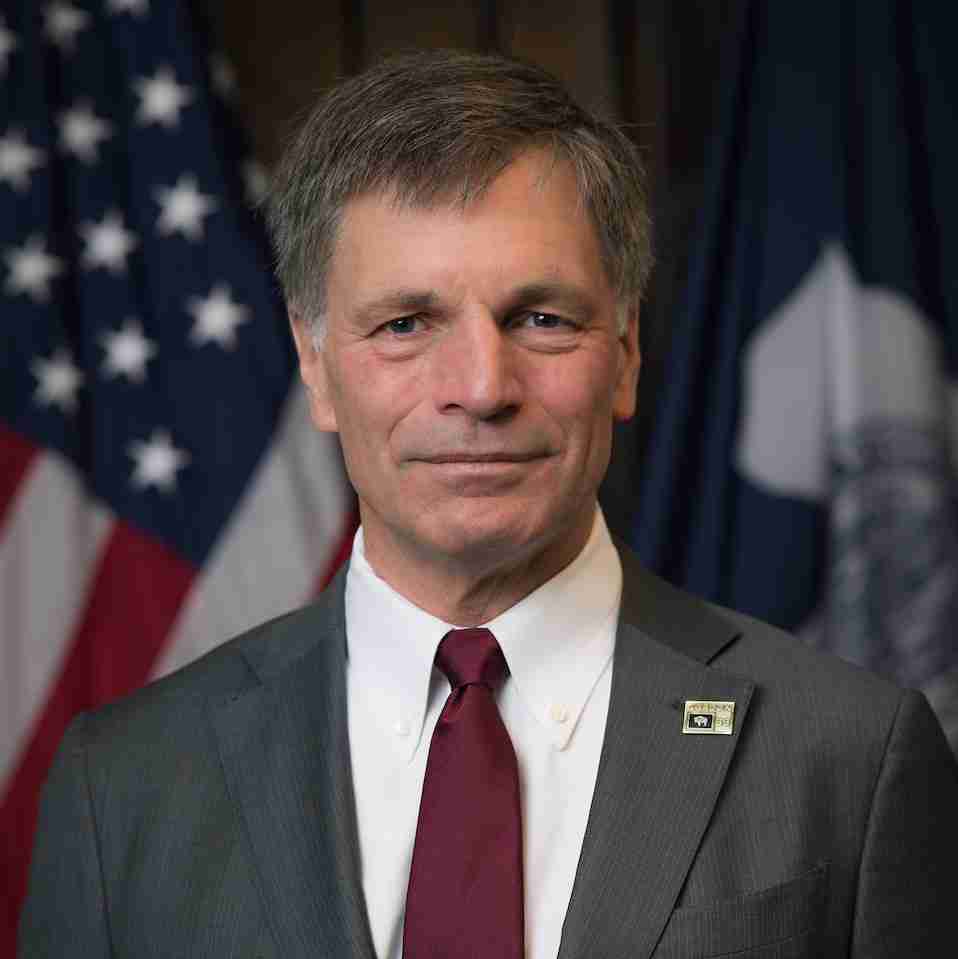
Governor, State of Wyoming
Mark Gordon was elected Wyoming's 33rd Governor on November 6, 2018, and re-elected in 2022 with 79% of the vote — the largest gubernatorial margin of victory in the nation that year.
Raised on the family ranch in Kaycee, Wyoming, Governor Gordon learned the values of hard work, integrity, and collaboration. As Governor, he is committed to preserving Wyoming's unique character while empowering citizens to pursue their dreams. A steadfast defender of state interests, he believes Wyoming must chart its own course.
As a conservative, Governor Gordon has focused on putting Wyoming on a sustainable fiscal path, making government more transparent and efficient, and returning power to local communities. He is a strong advocate for quality education for all children across both public and private settings.
Before serving as Governor, he was Wyoming State Treasurer from 2012 to 2019, earning recognition as one of the top 100 most impactful public investor executives. Under his leadership, Wyoming's sovereign funds ranked #1 in the U.S. and #3 in the world for transparency by the Peterson Institute.
Consistently rated among the top ten governors in the country, he successfully guided Wyoming through historically difficult times and has championed efforts to diversify the state's economy across technology, agriculture, energy, research, and tourism.
First Lady Jennie Gordon drew on her background as a rancher and mother to found the Wyoming Hunger Initiative, providing meaningful support to families facing food insecurity across the state.
Governor Gordon and Jennie have four grown children — Aaron, Anne, Bea (with husband Austen and children Crawford and Anntonia), and Spencer (with wife Sarah and children Everett, Violet, and Eloise). Together, they are dedicated to making Wyoming the best place to raise a family.
Director, The Center on Early Learning Success

Director of education policy, Kentucky Department of Education
GlyptusAnn Grider Jones, Ph.D., is the Kentucky Department of Education's (KDE's) director of education policy. Before joining KDE in 2022, she managed civic education and public programs for the University of Louisville's McConnell Center. She is a Kentucky native and served as an English Teaching Assistant in South Korea through the Fulbright Program.
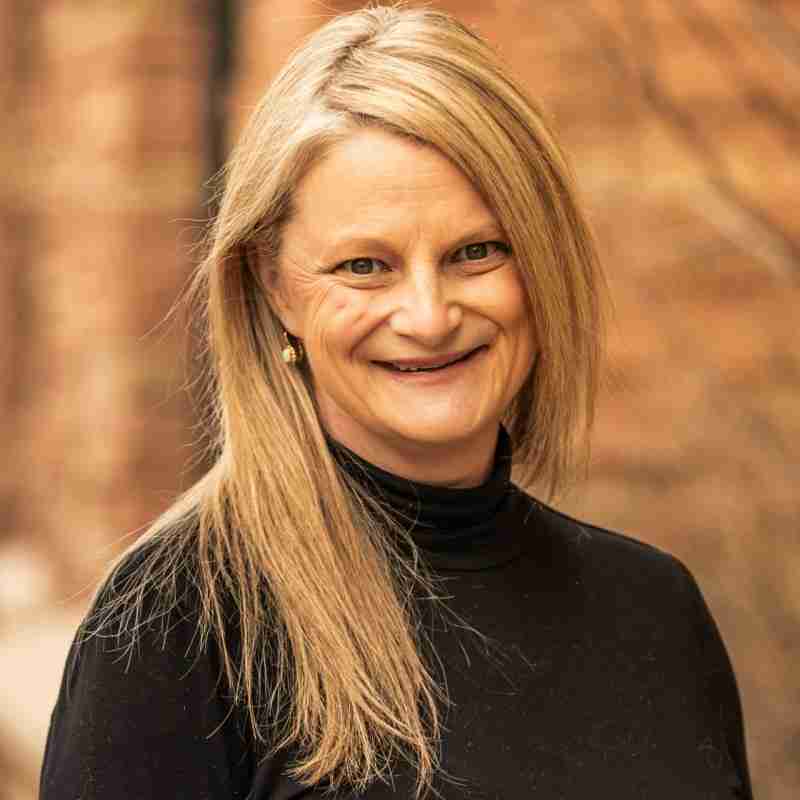
Contributor, Forbes
Alison R. Griffin has nearly twenty years of experience working at the intersection of education and employment, policy, and practice. Her career in postsecondary education policy includes two terms as a policy advisor to the Chairman of the U.S. House Committee on Education and the Workforce, and a policy advisor role with the American Association of State Colleges and Universities (AASCU). She managed her own higher education government relations and policy practice in Denver before joining Strada Education Foundation as a member of the senior leadership team. Alison is a regular contributor to Forbes, and her opinion pieces have appeared in Bloomberg and The Washington Post. She serves as a Trustee at Colorado Mesa University having been appointed by Governor Polis in 2019. She resides in Lafayette, Colorado.

Ocotillo Strategies

Utah State Board of Education
Accenture
Chynna Hartmann is a Senior Manager in Accenture’s Strategy & Consulting practice, where she leads complex transformation initiatives for state and local government agencies and higher education institutions. With more than a decade of experience in public sector consulting, she brings deep expertise in talent and workforce strategy, organizational design, and enterprise wide process modernization. Her work centers on helping government and education leaders strengthen operational effectiveness and enhance their ability to equitably serve constituents. She holds a Bachelor’s of Science in Industrial and Systems Engineering from The Ohio State University.
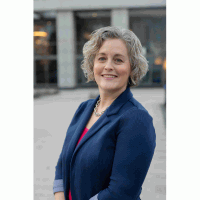
Senior Director, Youth Engagement & Strategic Partnerships, GENYOUth
Laura is a longtime advocate for children’s health and well-being, with 20 years of experience building programs and partnerships across nonprofits, government, and the private sector. As Senior Director of Youth Engagement and Strategic Partnerships at GENYOUth, she works to elevate student perspectives through the National Youth Council and Youth Insights research. Previously, Laura held leadership roles at FoodCorps, Share Our Strength/No Kid Hungry, and the Alliance for a Healthier Generation. Through this work, she has developed a deep appreciation for the school nutrition leaders and teams who are driving innovation and impact in cafeterias nationwide.
Outside of work, you can find Laura out for long walks, reading a book, or at the grocery store, keeping up with the culinary demands of her household with her husband and two teenage boys in Arlington, VA.

Chief Policy and Advocacy Officer, iCivics
Shawn Healy, PhD, leads iCivics’ state and federal policy and advocacy work through CivxNow and oversees civic education campaigns in several key states. Since Healy joined iCivics in 2021, 24 states strengthened civic education policies, Congress quadrupled funding for K-12 civics, and the CivxNow coalition grew to 410+ viewpoint and geographically diverse organizational members. Healy chaired the Illinois Task Force on Civic Education in 2014 and later led separate, successful legislative campaigns for a required civics course in Illinois in middle and high school. He also chaired the Illinois Social Science Standards Task Force. The State Board of Education adopted its recommendations in 2015. Healy speaks regularly at conferences across the country, contributes to local and national media, and produces original scholarship on political participation and civic education. He also serves as an adjunct professor in Public Policy at the University of Illinois at Chicago (UIC) and on the Board of Directors of the Legislative Semester, Inc. and the Student Press Law Center. Previously the Democracy Program Director at the Robert R. McCormick Foundation, Healy began his career as a high school social studies teacher in Wisconsin and Illinois. A 2001 James Madison Fellow, he holds a MA and PhD from UIC in Political Science and earned a bachelor’s degree with distinction in Political Science, History and Secondary Education from the University of Wisconsin at Madison.

Lumina Foundation
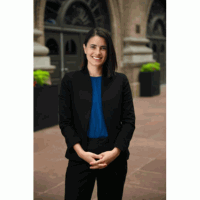
Chief of Staff, Maryland Governor's Office for Children

4th grade teacher from Maryland

Trustee, Executive Advisor & Chair, Former Oklahoma Superintendent of Public Instruction, National Center for the Improvement of Educational Assessment, 1050 Forward
Joy Hofmeister served as Oklahoma’s 14th State Superintendent of Public Instruction from 2015 to 2023, leading a statewide system serving more than 700,000 students and 80,000 school personnel. A former teacher, small business owner, statewide elected leader, State Board of Education member, and university regent, she has spent her career focused on student opportunity, school improvement, and community impact. She now serves as Executive Advisor and Chair of 1050 Forward, a George Kaiser Family Foundation initiative supporting Oklahoma’s micropolitan community leaders. Joy is also President & CEO of JLH Group, a Professor of Practice at the University of Oklahoma, and a trustee for the National Center for the Improvement of Educational Assessment.
Director of Accountability (Administrator III), New Hampshire Department of Education
Kyu-Ryung Hwang is the Director of Accountability at the New Hampshire Department of Education. In this role, she oversees the design and implementation of New Hampshire’s K-12 accountability policies, as required by the Every Student Succeeds Act and New Hampshire statutes. She has previously managed teacher training programs, K-12 assessments, and English Learner and bilingual curricula in Hawaii, California, and the District of Columbia.

Rhode Island Department of Education

Specialist for Specialized Recruitment and Retention, Office of Employee Services at the District of Columbia Public Schools (DCPS)
Nhandi Jackson serves as the Specialist for Specialized Recruitment and Retention in the Office of Employee Services at the District of Columbia Public Schools (DCPS), based in Washington, D.C. She currently leads specialized recruitment and retention initiatives for high-need roles, particularly in teacher recruitment and selection. She leads strategic initiatives to strengthen paraeducator recruitment, training, and career advancement pipelines within DCPS and will share insights from the district’s implementation efforts.

Minnesota P-20 Education Partnership
Mandy Janssen became the Deputy Director of the Minnesota P-20 Education Partnership in September 2025. She brings more than 15 years of experience leading initiatives at the intersection of education and workforce, with a focus on equity, access, and system change. Prior to this role, she held leadership positions at GPS Education Partners, TwinWest Chamber of Commerce, and Reve Academy, and she has also worked in international education, higher education, and K-12 settings. Mandy holds an M.A. in teaching from Chapman University and a B.S. in social work from Winona State University.

Michigan Department of Education
Chris Janzer is an Assistant Director within the Office of Educational Assessment and Accountability (OEAA) at the Michigan Department of Education (MDE). He oversees the Systems and School Accountability teams. Chris joined MDE in 2008, and has helped develop, enhance, and implement numerous state and federal accountability and reporting systems dating from No Child Left Behind’s Adequate Yearly Progress through ESEA Flexibility to the current system under the Every Student Succeeds Act. Through his work on bringing Michigan’s Parent Dashboard to life, Chris has developed an appreciation for the challenges of making education data beyond traditional accountability metrics into meaningful information specifically for parents. He is currently working on expanding and integrating more analysis into school accountability resources. Prior to joining MDE, Chris had experience in state and federal reporting for a local school district in Michigan. Chris holds a Master of Public Policy degree from Michigan State University and a Bachelor of Business Administration degree from Western Michigan University.

Indiana Department of Education
As Indiana’s first Secretary of Education and the state’s top education official, Dr. Katie Jenner is responsible for establishing a unified, student-centered vision across the full spectrum of education, from K-12 to college. As one of eight secretaries in Governor Mike Braun’s cabinet, Dr. Jenner oversees eight state agencies and boards which comprise approximately 60% of the state budget, or approximately $26 billion over the biennium. This includes leading the Indiana Department of Education (IDOE) and the Indiana Commission for Higher Education, chairing the State Board of Education (SBOE), and overseeing the Charter School Board, Education Employee Relations Board, Indiana School for the Deaf, Indiana School for the Blind and Visually Impaired, and Indiana State Library.

Senior Director, Policy & Advocacy, Center for Strong Public Schools
Tracy Johnson is the Senior Director of Policy and Advocacy at the Center for Strong Public Schools, where she leads the organization’s policy and legislative strategy, partnering with lawmakers, state agencies, and coalition partners to advance reforms across K–12 and postsecondary education systems. Tracy’s career spans roles in the Texas Legislature, the Texas Education Agency, and Texas public schools, giving her deep insight into the state policymaking process from idea to implementation. Most recently, Tracy played a crucial role in advancing major statewide legislation, including Texas’s $8.5B comprehensive school finance package. Tracy’s policy portfolio includes educator preparation and compensation systems, early literacy and numeracy strategies, assessment and accountability reform, charter schools and public school choice, college and career readiness programs, and strategic education funding. She serves on the boards of The Texas Girls School, an all girls, STEM-focused public charter school, and of the Council for At-Risk Youth, a Central Texas nonprofit serving high-needs students. Tracy holds a Master’s of Public Affairs from the LBJ School of Public Affairs at The University of Texas at Austin. She resides in Austin, TX with her husband and three beloved animals.

National Association for Music Education

Founding Executive Director and Research Professor, National P-3 Center, University of Colorado Denver
Kristie Kauerz is Founding Executive Director of the National P-3 Center and a research professor in the School of Education and Human Development at University of Colorado Denver. Kristie specializes in education reform efforts that address the continuum of learning from pre-school through 3rd grade (P-3), integrating birth-to-five system building and K-12 reforms. Kristie’s expertise is based in her work with more than 45 states and dozens of school districts around the country. Kristie’s experience includes work at the state level, as an early childhood and P-3 policy advisor to two Colorado governors; at the national level, as program director for early learning at Education Commission of the States; and in academia as director of a PreK-3rd Grade Initiative at Harvard Graduate School of Education and as a research fellow at the National Center for Children and Families (Teachers College, Columbia University). An important aspect of Kristie’s work is designing and delivering professional learning opportunities that strengthen the relationships and organizational strategies necessary to implement P-3 alignment efforts in school districts, states, and communities. Kristie designed and directs the P-3 Leadership Certificate Program, a fully online, credit-bearing course of study that co-enrolls administrators from early learning and PreK-12. She has also led the National P-3 Institute since 2008.

Associate Professor of Forest Operations, University of Idaho College of Natural Resources
Rob Keefe is Associate Professor of Forest Operations in the University of Idaho College of Natural Resources and Director of the 10,000-acre University of Idaho Experimental Forest (UIEF). In addition to being among the nation’s most technologically-advanced research facilities, the UIEF is a working forest managed by students in the UI forestry program through a mix of for-credit coursework and work experience to develop skills outside the classroom. Rob manages the UI Student Logging Crew, the only fully mechanized logging training and forest products business enterprise at any 4-year forestry school in the United States.
Through teaching and work opportunities, Rob has mentored hundreds of students into successful careers as professional foresters, loggers, and mill workers with the largest forest landowners and forest products companies in the US and also initiated UI’s first 2-year AS degree in Forest Operations and Technology.
Rob is working closely with the Idaho State Dept. of Education, school districts, and the forest industry to expand hands-on, workforce-oriented schoolwork and experiences that engage K-12 students in activities leading to apprenticeship, 2-year and 4-year options for entering forestry and forest products careers through the Idaho Career Ready Students program. This highly successful model integrates stackable job skills with formal education to meet our future forest products workforce needs. Rob earned his BS in Forestry from the University of New Hampshire and his MS and PhD from the University of Idaho.

Office of Colorado Governor Polis, Workforce Systems Coordinator
Katherine began her career working with immigrants and refugees in Boston. This work led her to pursue a master’s of science in social work at The University of Texas at Austin. Since then, Katherine has managed AmeriCorps, workforce readiness, and career coaching development programs in Texas, Indiana, and Colorado. From 2019 through June 2025, she served as the Director of the Office of the Future of Work for the State of Colorado, leading the state’s efforts to raise awareness about the future of work, build digital equity, and through the State Apprenticeship Agency, expand access to registered apprenticeship programs. In June 2025, Katherine joined the Office of Governor Jared Polis to lead implementation of his executive order to redesign the postsecondary talent development system in Colorado.

Director of Reporting Service, Maryland Longitudinal Data System Center & the Maryland Higher Education Commission
Ann T. Kellogg serves as the Director of Reporting Services for the Maryland Longitudinal Data System Center (MLDSC) and the Maryland Higher Education Commission (MHEC). At the MLDSC, Dr. Kellogg uses linked longitudinal data from all levels of education, child and youth services, and the State’s workforce to generate timely and accurate information that can be used by policymakers to improve the State’s education system. At MHEC, she develops unit record data collections to support state policy research and completes research studies or other special projects for the Assistant Secretary of Academic Affairs. Prior to joining the state, Dr. Kellogg focused her career in postsecondary education, holding both instructional and administrative positions. She earned a Ph.D. in Public Policy from the University of Maryland, Baltimore County (UMBC) and currently serves as an adjunct professor in UMBC's Public Policy graduate program.
Executive Vice President, Data Quality Campaign

Iowa Alliance for Arts Education
Leon Kuehner received his Bachelor of Arts and Master of Arts Degrees in Music Education from the University of Northern Iowa. He has been president of the Iowa Bandmasters Association, state chair of American School Band Directors Association and state chair of the Iowa Alliance for Arts Education. He has served on the Iowa Music Educators Board and is a past president of the Executive Board of the Iowa High School Music Association. He has served a Co-Administrator of the Iowa Alliance for Arts Education “Model of Excellence” mentoring program for beginning fine arts teachers since 2006. He was the instrumental music chair of the Iowa Fine Arts Standards Adoption Team for the Iowa Department of Education. He currently serves on the Fine Arts Leadership Team for the Iowa Department of Education. On behalf of IAAE, he collaborates with the Fine Arts Consultant from the Iowa Department of Education and leadership from Iowa Arts Council in presenting a bi-annual Arts Education Summit for the state of Iowa. In 2012, he was named the national winner of the National Federation of High School Association’s Citation for contributions to music education. In July of 2013, he became the Executive Director of the Iowa Alliance for Arts Education. He is the recipient of the Karl King Distinguished Service Awards for both and active retired members of the Iowa Bandmasters Association. He has also been named a “Distinguished Alumnus” of the University of Northern Iowa School of Music. He has served as the Iowa State Captain for the Americans for the Arts advocacy team since 2016 and has coordinated an Arts Education Advocacy Day at the State Capitol in Des Moines since 2015. In 2023, he was awarded the Governor’s Arts Education Award by the Iowa Arts Council. He currently teaches music education classes for North Iowa Area Community College and the University of Iowa.

Executive Director, Marian University - Center for Vibrant Schools
Jillian Lain is a graduate of the University of Indianapolis, where received her Bachelor’s degree in Sociology with a minor in Youth and Child Programming. Immediately following her undergraduate degree, she attended DePaul University and obtained her Master’s degree in Sociology, with a focus on urban sociology and youth services in 2010. For the last 10 years, Jillian has worked with various non-profit organizations with a common focus in working with youth and within youth programming locally and regionally. Jillian is currently the Director of City Connects at the Center for Vibrant Schools at Marian University and is a seasoned adjunct instructor in the Sociology Department at University of Indianapolis.

Chief Teaching and Learning Officer, Maine Department of Education
Beth Lambert serves as Chief Teaching and Learning Officer at the Maine Department of Education, where she leads statewide strategy across curriculum, instruction, educational technology, literacy, numeracy, computer science, and interdisciplinary learning. In this role, she provides executive oversight of Maine’s computer science expansion efforts and the development and implementation of the state’s artificial intelligence guidance for schools. Beth has worked closely with the Maine AI Task Force, policymakers, district leaders, and educators to ensure that emerging technology policy is grounded in classroom realities, aligned with existing computer science initiatives, and responsive to the needs of diverse student populations, including rural communities, multilingual learners, and students with disabilities. Her work emphasizes coherence across policy, professional learning, and instructional supports so that innovation strengthens, rather than fragments, teaching and learning systems. With nearly 25 years of experience as a teacher, school administrator, and state education leader, Beth brings a system-level perspective on how state policy decisions translate into district implementation, educator practice, and student outcomes. She frequently collaborates with governors’ policy advisors, legislators, higher education partners, and national organizations to advance responsible, equitable approaches to computer science and AI in education.

North Dakota Department of Health and Human Services

Southern Regional Education Board (SREB)

Rhode Island Department of Education School Building Authority - Healthy Environments Advance Learning (HEAL)
Brian Lemay is the Senior Project Manager for Healthy Environments Advance Learning (HEAL) within the Rhode Island Department of Education’s School Building Authority. With more than 25 years of construction experience in Rhode Island, he works at the intersection of facilities practice and state support for districts. Through HEAL, he helps coordinate building-condition and indoor environmental quality improvement efforts in high-need districts, supporting partnerships, assessment-to-action planning, and implementation steps that translate building performance findings into practical improvements that strengthen school climate and learning environments.

Executive Director, Minnesota P-20 Education Partnership
Josiah S. Litant joined the Minnesota P-20 Education Partnership in February 2023 as its inaugural executive director. Josiah's experience as a teacher and administrator spans 20 years, working across a variety of age groups. He most recently served in senior executive leadership roles at Minnesota State College Southeast, a public two-year community and technical college. Prior to that, Josiah was an administrator for ten years at Hampshire College, a private liberal arts college in Massachusetts. He is co-founder and former executive director of LightHouse Holyoke, an independent high school in western Massachusetts, and also has teaching experience at the elementary and early childhood levels. He holds a Master of Arts in higher education administration from Goddard College, and a Bachelor of Arts in elementary education from Hampshire College.
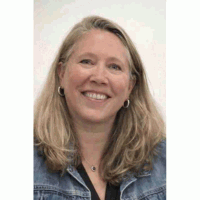
Director of Educator Effectiveness Policy, Massachusetts Department of Elementary and Secondary Education
Liz Losee serves as the Director of Educator Effectiveness Policy at the Massachusetts Department of Elementary and Secondary Education (DESE). She manages a portfolio that includes the Massachusetts Test for Educator Licensure (MTEL) and alternative licensure assessments, the Performance Assessment for Leaders (PAL), and the management and interpretation of state educator policy. She is committed to promoting policies to ensure that K-12 students, particularly those that have been underserved, have access to effective teachers and leaders. In her 24 years at the Department she has worked strategically with internal and external stakeholders to ensure effective implementation of new policies and has contributed to several successful grants received from the US Department of Education, Council of Chief State School Officers and the Gates Foundation. Liz lives in Boxford, MA with her husband and two dogs and has two daughters.

American Institutes for Research
Karen Manship is a managing director with AIR focusing on early childhood and K-12 education policy and finance. She currently serves as project manager of the First 5 California Dual Language Learner Pilot Study and of a national study of the Montessori preschool model funded by the Institute for Education Sciences. She also served as the director of the Study of California’s Transitional Kindergarten Program and led the case studies task for a U.S. Department of Education study of programs successful at sustaining the effects of preschool. Manship has conducted research and cost analyses for a number of additional projects during her time at AIR, including the current U.S. Department of Education study to the implementation of weighted student funding (WSF) systems, a randomized control trial of the HighScope preschool curriculum, and multi-year Packard Foundation-funded Preschool for All technical assistance projects. She has assisted local governments and other organizations in California to compile and analyze demographic and enrollment data to plan for expanding early care and education services, and helped oversee the development of AIR’s Early Learning Needs Assessment Tool. Manship is skilled in quantitative and qualitative analyses, evaluation design, cost analysis, project management, and writing for various audiences. Before joining AIR, she was an analyst for the School Finance Redesign Project at the University of Washington and a statistician and Presidential Management Fellow at the National Center for Education Statistics.
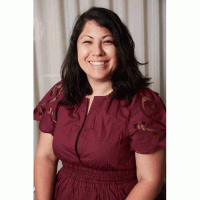
Student Achievement Partners, Chief Program Officer of Mathematics
As Chief Program Officer of Mathematics for Student Achievement Partners, Aly Martinez collaborates with colleagues and partners to design, lead, and enact projects that rehumanize educational systems for students experiencing racial, ethnic, and linguistic inequities. Most recently, she has led SAP's Math That Matters Is Future Ready initiative — a cross-sector landscape analysis of high school mathematics spanning state standards, textbooks, and postsecondary perspectives — aimed at building a prioritized framework for modernizing high school math expectations. Prior to joining SAP, Aly served as math administrator of K–12 Mathematics for San Diego Unified School District, where she led a district-wide initiative to modernize mathematics through student-centered learning, culturally responsive pedagogy, equitable assessment practices, and the adoption of high-quality instructional materials at scale. She has contributed to NCTM's Catalyzing Change Success Stories and Partnering with Parents in Elementary School Math

The Ronald Reagan Presidential Foundation and Institute

Vice President, State Policy and Advocacy, Data Quality Campaign
As vice president, Brennan leads DQC’s strategy to ensure that state leaders enact policies and practices that get individuals across the P–20W spectrum access to the data they need for everyone to make education and workforce decisions.
Brennan joined DQC in 2011 to advance the organization’s mission that seeks to ensure that data is used in service of student learning. Before joining DQC, Brennan worked at the State Collaborative on Reforming Education, in Nashville, Tennessee, as a research and policy analyst. During her graduate studies she worked for the Tennessee Comptroller’s Office of Research and Education Accountability.
Brennan earned a bachelor’s degree in political science from Vanderbilt University and a master’s in public policy from Vanderbilt University’s Peabody School of Education.

Arizona Department of Education
Dr. Kelly McQuaid serves as Deputy Associate Superintendent of the Effective Teachers & Leaders unit at the Arizona Department of Education, providing professional development and support for teachers and school leaders. Dr. McQuaid holds a B.A. in elementary education from Arizona College of the Bible, an M.F.A. in writing popular fiction from Seton Hill University, and a Ph.D. in General Psychology with an emphasis in cognition and instruction from Grand Canyon University. She also holds a Certificate in Teaching English to Speakers of Other Languages from Cambridge and a Certificate in School Management and Leadership from Harvard. Prior to joining ADE, she served as a teacher, English language arts & English language learner director, school development director, and principal.
Assistant State Superintendent of Educator Effectiveness, Maryland State Department of Education
Kelly Meadows was born and raised in Baltimore, Maryland where she attended Baltimore County Public Schools, the University of Baltimore, and Johns Hopkins University. She is currently serving as the Assistant State Superintendent of the Division of Educator Effectiveness at the Maryland State Department of Education. In her role, she oversees educator preparation, licensure, and the approval of K–12 private schools. She has served in many roles at the Maryland State Department of Education over the past decade. Before joining the State Department, Meadows spent 14 years working at the Kennedy Krieger Schools serving special education students as a paraprofessional, teacher, assistive technology specialist, and educational technology coordinator.
Meadows and her team are engaged in the implementation of Pillar II of the Blueprint for Maryland’s Future, which focuses on developing a high-quality and diverse teacher workforce. Pillar II establishes a Career Ladder for Educators that allows teachers to stay in the classroom while assuming teacher leadership roles and salary increases associated with movement up the ladder.

Executive Director, Washington Student Achievement Council
Michael P. Meotti has served as executive director of the Washington Student Achievement Council (WSAC) since 2016. WSAC leads policy on educational attainment and manages the Washington College Grant, the country’s most equitable need-based state financial aid program for college and career training. Meotti also led development of Washington’s innovative Regional Challenge Grant program, which invests in cross-sector regional partnerships committed to increasing access and success in educational and career pathways. He is a commissioner and member of the Steering Committee of the Education Commission of the States (ECS) and commissioner and member of the Executive Committee of the Western Interstate Commission for Higher Education (WICHE) and). Before joining WSAC, Mr. Meotti served as Commissioner of the Connecticut Department of Higher Education and Executive Vice President of the CT Board of Regents.

South Carolina Department of Education
Dr. Paige Mitchell is a Education-Associate of Instructional Materials for the SC Department of Education and a Subject Matter Expert for SCETV. When she isn’t sharing technology tips with educators, you can find her reading or watching her kids compete in various sports.
Governor, State of Maryland
Wes Moore is the 63rd Governor of Maryland — the state's first Black Governor in its 246-year history and only the third African American elected Governor in U.S. history.
Born on October 15, 1978, in Takoma Park, Maryland, Moore lost his father at age three to a rare but treatable virus. His family relocated to the Bronx before returning to Maryland when he was 14.
Moore graduated from Valley Forge Military Academy and College in 1998 with an Associate's degree and a commission as a second lieutenant in the U.S. Army. He went on to earn a Bachelor's in international relations and economics from Johns Hopkins University, graduating Phi Beta Kappa. There, he interned in the office of former Baltimore Mayor Kurt Schmoke and became the first Black Rhodes Scholar in Johns Hopkins history. As a Rhodes Scholar, he earned a Master's in international relations from Wolfson College at Oxford.
In 2005, Moore deployed to Afghanistan as a lieutenant with the 82nd Airborne Division. Upon returning, he served as a White House Fellow advising on national security and international relations.
Moore is a bestselling author whose debut book, The Other Wes Moore, became a perennial New York Times bestseller. His subsequent works explore race, equity, and opportunity, including Five Days, which chronicles Baltimore in the aftermath of Freddie Gray's 2015 death.
As an entrepreneur, Moore founded BridgeEdU, a Baltimore-based company reimagining college freshman year for underserved students; it was acquired by Edquity in 2018. He also served four years as CEO of the Robin Hood Foundation, distributing over $600 million to fight poverty. Earlier in his career, he worked in finance at Deutsche Bank in London and Citigroup in New York.
Moore and First Lady Dawn Flythe Moore have two children, Mia and James, and a dog, Tucker Balti.

Assistant State Director Office of Career and Technical Education/Workforce Development, Alabama State Department of Education
Dawn Morrison is the Assistant State Director/Section Coordinator in the Office of Career and Technical Education/Workforce Development and the Computer Science State Director (K–12) at the Alabama State Department of Education. She was the Principal Investigator for the U.S. Department of Education’s Education Innovation and Research—Pathways for Alabama Computer Science early‑phase grant, a five‑year project that concluded in September 2025.
For more than a decade, Dawn has played a pivotal role in expanding Computer Science education across Alabama. She is a current member of the Governor’s CS Advisory Council and previously contributed to statewide educational equity and advancement through her service on the Governor’s Advisory Council for Excellence in STEM and the Governor’s STEM Executive Council. She has had the opportunity to provide national leadership through her work on the CompTIA National CTE Advisory Council, and she has contributed to national conversations on computer science education through ECEP, Infosys Foundation USA initiatives, and U.S. Department of Education convenings. Her leadership has supported meaningful progress in education at both the state and national levels.
Her professional interests include data‑driven continuous improvement, educational equity, and education policy.

President, Education Commission of the States
José Muñoz is the ninth president of Education Commission of the States. He brings nearly 30 years of cross-sector experience leading initiatives that elevate policy adoption to create meaningful change in communities across the United States. In their free time, José and his family like to serve their community in New Mexico through their church and by leading community groups.
Assistant State Superintendent, MD State Dept of Education
Sarah Neville-Morgan is the Assistant State Superintendent for the Division of Early Childhood at the Maryland State Department of Education, which oversees child care licensing, early learning standards, quality improvement and supports, family two-generation learning hubs, public Pre-Kindergarten, and the child care scholarship subsidy program. With over 20 years of leadership in early childhood systems and policy, she previously served as Deputy Superintendent of Public Instruction at the California Department of Education and held key roles at First 5 California and the Administration for Children and Families.

Office of Governor Spencer J. Cox

Partner, Bellwether
Bonnie O’Keefe is a partner at Bellwether and leads the organization’s work on school finance and resource allocation. Bonnie has spent her career advancing equitable and effective policies to build systems that support better outcomes for children and families. In her role, she leads teams that answer educational policy questions for advocates, foundations, districts, and policymakers across the country. Bonnie also co-leads Bellwether’s state K-12 school finance portfolio and has expertise in state pre-K through grade 12 policy, early childhood education, assessment and accountability, and resource equity. Since joining Bellwether in 2016, Bonnie’s research and commentary includes more than 30 publications that have been featured in the New York Times, Washington Post, Politico, NBC News, USA Today, and The 74, among others. Prior to Bellwether, Bonnie was an assessment specialist at the D.C. Office of the State Superintendent of Education. Bonnie led assessment policy development and delivered training and technical assistance for schools in the successful transition to new, computer-based state assessments. She also worked for DC Action, a child advocacy organization with a birth through age eight policy focus. There, Bonnie authored reports on topics such as child care and early intervention, advocated for improvements in resource allocation, and coordinated the DC KIDS COUNT project, including launching an interactive, neighborhood-level map of child well-being in the District of Columbia. Bonnie’s interest in education policy began in politics, while supporting women running for public office as political programs coordinator for She Should Run. Bonnie earned a master’s degree in public policy from Johns Hopkins University and a bachelor’s degree from Williams College.

Deputy Commissioner, Texas Education Agency
Kelvey Oeser is the Deputy Commissioner of Educator and System Support at the Texas Education Agency where she serves as a Cabinet level leader and leads statewide initiatives focused on recruiting, supporting, and retaining effective teachers and principals and on supporting school systems to innovate and continuously improve in order to serve the 5.5 million public school students in Texas. A graduate of Emory University, Kelvey began her career as a middle school English teacher in East Los Angeles. She holds a Master’s degree in secondary education from Loyola Marymount University and a Master’s degree in public affairs at the University of Texas at Austin. Kelvey has previously served in senior leadership roles at national education nonprofits including Teach For America, TNTP, and Leading Educators. Kelvey also served as a founding board member of Montessori for All, Austin’s first public Montessori school. Kelvey lives in Austin with her husband, two kids, and her dog.

The College Board
ose Ortega-Luo is Director of Workforce Partnerships, where he and the Strategic Reach and Workforce Partnership team lead College Board's efforts to secure industry-recognized credential (IRC) adoption in states for AP Career Kickstart's new employer-endorsed credentials. In this role, he leverages research to inform state-specific strategies focused on state departments of workforce development, commerce, labor and education to position the College Board as a trusted advisor in state talent development. He also oversees research initiatives that shape broader strategies to expand access to career-connected learning opportunities for all students. Originally from Hillsborough, NC, Jose earned both his Master’s in Public Policy (2023) and his undergraduate degree (2019) from Duke University. As a first-generation, low-income Latinx student, his background has shaped his deep commitment to public service. Motivated by a commitment to socio-economic mobility, he pursued a MPP with a focus on social policy issues. After earning his MPP, he completed an Education Policy Fellowship at the College Board, where he developed expertise in state-approved IRC policies, career readiness in K-12 accountability systems and CTE teacher certification.

Head of Policy / President of CodeAI Advocacy Coalition, CodeAI
Anthony Owen is a nationally recognized leader in computer science education policy and currently serves as Head of Policy at CodeAI and President of the CodeAI Advocacy Coalition. With over two decades of experience across local, state, and national education systems, he has played a central role in advancing equitable access to K–12 computer science nationwide. At CodeAI, Anthony leads state and federal policy strategy, builds bipartisan coalitions, and guides legislative campaigns that have secured computer science graduation requirements, dedicated funding, and long-term policy protections in states including Louisiana, Alabama, Minnesota, and Arkansas. He is widely regarded as a trusted advisor to governors, legislators, state education leaders, and advocacy organizations. From 2015 to 2022, Anthony served as Arkansas’s, and the Nation’s, first State Director of Computer Science Education, partnering closely with Governor Asa Hutchinson to design and implement the state’s nationally recognized CS initiative. During his tenure, student enrollment in computer science grew from just over 1,000 to more than 13,000, while the number of certified high school CS teachers increased from fewer than 20 to more than 700. Anthony has served on several national boards and advisory bodies, including the Computer Science Teachers Association, the K–12 Computer Science Framework, the Southern Regional Education Board, and the National CTE Advisory Council. A former math and science teacher, his work remains grounded in classroom experience and a commitment to student opportunity. He holds degrees in Mathematics, Educational Leadership (building and district levels), and Law, and lives in Bryant, Arkansas with his wife, Michele, and their two sons.

Ohio Excels

Lincoln Institute of Land Policy, Senior Research Analyst
Delaware Department of Education
Kristi Pelezo is the Director of the Technology Office at the Delaware Department of Education, bringing over 23 years of experience in educational technology and statewide solution delivery. She leads the implementation of enterprise systems used by all Delaware Local Education Agencies (LEAs), including ClassLink for Single Sign-On (SSO), Infinite Campus as the Student Information System (SIS), and PowerSchool Schoology as the unified Learning Management System (LMS). Under her leadership, Delaware has advanced the adoption of interoperability standards such as Ed-Fi and OneRoster to improve data quality, enable personalized learning, and equip educators and leaders with actionable insights that drive better student outcomes.
Division Administrator
Jay Pennington, Ph.D. Division Administrator of the Division of Teacher Quality and Innovation at the Iowa Department of Education. Jay has been in a leadership role since joining the Department in 2007. Jay's Division oversees the Educator Quality team, Board of Educational Examiners and the Bureau of Performance and Analytics. The Division is responsible for the accreditation and approval of all public and private Educator Preparation Programs, licensure of all professional educators in the state along with overseeing the data, analytics, assessment and accountability functions of the agency. Prior to joining the Department, Jay worked in higher education for nine years severing to support the diverse clinical, professional, and service mission for the Harris School of Public Policy at the University of Chicago and the Department of Psychiatry and the University of Illinois at Chicago Medical Center. Jay has 25 years of experience spanning the education and health care sectors. His career has primarily been at the nexus between data, research and evaluation and how information plays a critical role in the decision-making process. Jay has co-authored articles on topics such as barriers to mental health services and child bereavement. Jay has a Doctorate in Education from Drake University, MSW from Jane Addams School of Social Work and BA in Psychology from the University of Illinois at Chicago.

WSCUC

Director of Learning and Development, Idaho Forest Group
Marie Price is the Director of Learning and Development at Idaho Forest Group, where she leads workforce development strategy for one of North America’s top lumber manufacturers. With more than 20 years of experience spanning manufacturing, higher education, and workforce systems, she specializes in building employer-driven career pathways, registered apprenticeship programs, and industry-education partnerships that strengthen workforce readiness in rural communities. Marie serves on the Idaho Workforce Development Council and chairs its Work-Based Learning Committee, helping advance statewide strategies that align education, workforce policy, and regional economic needs. She is a frequent speaker on workforce innovation, apprenticeship expansion, and employer-led approaches to career readiness and talent development.

Vice President for Alliance Engagement and Research, Complete College America

Director of Adult Programs and Student Success, Rhode Island Office of the Postsecondary Commissioner
Omar Reyes is the Director of Adult Programs and Student Success at the Rhode Island Office of the Postsecondary Commissioner. In his role, Omar oversees the policy and implementation of statewide initiatives focused on adult learners, re-entry, higher education in prison, and special populations. He is also an adjunct faculty member at a men's medium-security prison in Rhode Island. He has also served on the New England Board of Higher Education’s Future of Higher Education in Prison commission. He received his Bachelor of Arts from Roger Williams University and a Master's in Youth Development, Diversity, and Policy at Rhode Island College.

Chief National Impact Officer, Harlem Children's Zone
Christian Rhodes is Chief National Impact Officer at Harlem Children’s Zone (HCZ) where he leads the organization’s national impact work, including support for place‑based, cradle‑to‑career partnerships across the country through the William Julius Wilson Institute and related initiatives. Over more than 15 years, he has been a trusted advisor to education leaders nationwide. Most recently, he served in the Biden Administration as Senior Advisor to U.S. Secretary of Education Miguel Cardona and previously as Chief of Staff for the Office of Elementary and Secondary Education, where he helped oversee the distribution of more than $122 billion in American Rescue Plan funds and stewardship of major K–12 programs such as 21st Century Community Learning Centers, Full‑Service Community Schools, and Promise Neighborhoods. Before his federal service, Rhodes was Chief of Staff for a large urban school district and policy advisor to multiple superintendents, mayors, governors, and state and municipal leaders in Maryland, following earlier roles with educator and advocacy organizations focused on improving equity in public education. He is a graduate of the University of North Carolina at Chapel Hill and American University in Washington, D.C.

University of North Carolina System Office
Dr. Shun Robertson, the Senior Vice President for Strategy and Policy for the University of North Carolina System Office, is charged with furthering the UNC System’s long-term strategic goals through the development of policies and initiatives that promote access, affordability, and student success. Prior to joining the UNC System, Robertson was a program director at MDC and Jobs for the Future, providing senior-level policy and research support to education and community-based projects. She also served as a policy analyst for the South Carolina Technical College System and has several years of experience working in admissions offices at colleges in Georgia and South Carolina. Dr. Robertson received her B.S. in business administration and Ph.D. in educational administration from the University of South Carolina.
Advisor, Early Childhood, Data Quality Campaign
Charlie Rosemond leads early childhood work for the Data Quality Campaign (DQC), a national nonprofit policy and advocacy organization dedicated to ensuring that data works for individuals, families, educators, communities, and policymakers. Prior to joining DQC, Charlie staffed and strategized for integrated data systems and projects in Illinois, with a focus on early childhood. Most recently, he conducted implementation research for a math education nonprofit. He holds master's degrees from the University of Virginia and the City University of New York.

CR Marketing

Assistant Superintendent of Teaching and Learning, DC Office of the State Superintendent of Education
Elizabeth Ross serves as the Assistant Superintendent of Teaching and Learning (TAL) at the Office of the State Superintendent of Education (OSSE). Directly prior, Elizabeth served as the Deputy Assistant Superintendent in TAL. Elizabeth is incredibly proud to lead OSSE’s Advancing Excellence work, which provides robust support for educators. In recent years, her work to revitalize the teaching profession has included drafting and implementing DC’s first Educator Preparation Approval regulations; publishing DC’s first comprehensive Educator Workforce Report; developing a new, one-year provisional teacher credential; and supporting the launch of a state-of-the-art Educator Credentialing Information System (ECIS).
Prior to joining the OSSE team, Elizabeth worked at the National Council on Teacher Quality (NCTQ) and US Department of Education on several equity-focused teacher quality initiatives and policies.
Elizabeth began her career as a third-grade teacher at Simon Elementary School in Washington, DC. She holds a B.A. from Georgetown University, where she studied English Literature and Government; an M.A.T. from American University in Elementary Education; a J.D. from Villanova University School of Law, where she was a public interest scholar; and an Ed.M. from Harvard University Graduate School of Education, where she was a Zuckerman Fellow.

Independent

Deputy Director Early Learning, Gates Foundation
Jason Sachs, Ed.D. is the Deputy Director of Early Learning in the United States Program at the Gates Foundation. Previously, Jason was the Director of Early Childhood at Boston Public Schools (BPS) where he led an effort to deliver a universal high-quality system of early childhood programs for BPS, including the successful implementation of a coherent PreK-2nd grade curriculum, professional development system for teachers and principals, expansion of NAEYC accredited classrooms in Boston - all of which prepares students for successful transition into the elementary grades - and a comprehensive evaluation system of both classroom quality and child outcomes.
Illinois State Board of Education
Dr. Tony Sanders is the State Superintendent of Education in Illinois. He was appointed by the State Board of Education in February 2023. Prior to his arrival at ISBE, Dr. Sanders served as the superintendent of School District U-46, the second-largest school district in Illinois, for nearly a decade. During his tenure at U-46, Dr. Sanders added full-day kindergarten for all students, grew the district’s dual language program, created a new alternative high school to reduce expulsions and better serve students in need of trauma-informed care, invested in a grow-your-own educator initiative, and improved the district’s financial standing, while overseeing a $660 million operating budget. He also was a fierce advocate for the implementation of Evidence-Based Funding to change Illinois’ public school funding structure and provide greater equity for students across Illinois. Prior to becoming the U-46 superintendent in 2014, Dr. Sanders served as the district’s chief of communications and accountability and then chief of staff. He also previously served as the chief communications officer for St. Louis Public Schools and in communications and governmental relations roles within Illinois government, including at ISBE. He earned his bachelor’s degree from the University of Illinois Springfield, his Master of Business Administration from New York Institute of Technology, his Chief School Business Official Endorsement from Northern Illinois University, an Honorary Doctor of Laws from Judson University, and his Doctor of Education from Aurora University.
Massachusetts Department of Higher Education
Dr. José Luis Santos is the Department of Higher Education’s Senior Deputy Commissioner and Special Advisor. He provides strategic and tactical management across internal and external teams of the Department to help advance the critical mission and key priorities of the DHE and BHE. As Senior Deputy and Special Advisor, Dr. Santos provides leadership and expertise on efforts that promote systemness, enhance the Department’s research and publication capacity efforts to make it a national leader, and advance stewardship, coalition building, and advocacy at the regional, state, and national levels. Dr. Santos is an accomplished higher education equity-centered professional with extensive experience leading innovative projects and teams across the education technology, public policy, nonprofit, and academic sectors. He has held positions at several prestigious higher education institutions, including the University of Texas, Austin, Pepperdine University, UCLA, and the University of Arizona. Dr. Santos also led the higher education portfolio for The Education Trust, a public policy advocacy organization in Washington, DC, where he provided leadership in policy priorities strategy, student success, and advocacy with the White House and Congress.

School Based Health Alliance

Rhode Island Department of Education School Building Authority - Healthy Environments Advance Learning (HEAL)
2026 National Teacher of the Year,
Director of Building Capacity for Innovation, The Charles A. Dana Center at the University of Texas, Austin
Dr. Lya Snell is the Director of Building Capacity for Innovation at the Charles A. Dana Center. She leads efforts to ensure that educators and students alike have the tools and resources needed to succeed. Dr. Snell holds bachelor’s and master’s degrees in mathematics from Alabama State University, as well an Ed.S. in General Administration from Central Michigan University and a Ph.D. in Educational Leadership from Mercer University. For the past eleven years prior to her role at the Dana Center, Dr. Snell served as an Education Program Manager with the Georgia Department of Education, where she supervised state-wide programming in STEM/STEAM, computer science, and mathematics. She has co-written the National Council of Teachers of Mathematics (NCTM) publication, High School Mathematics: Reimagined, Revitalized, and Relevant, and serves on numerous national and state committees focused on improving mathematics and STEM education. Her work emphasizes phenomenon-based teaching and learning, integrating mathematics with science, engineering, technology, computer science, and literacy to make learning relevant and engaging for students.

Iowa Department of Education
Gov. Kim Reynolds appointed McKenzie Snow to lead the Iowa Department of Education beginning June 26, 2023. Director Snow is committed to ensuring all children have access to a high-quality education that inspires them and prepares them for the future. As director, her work is grounded in high-quality teaching and learning, family and teacher empowerment, evidence-based innovation, college and career pathways, transparency and student-centered funding and supports. Director Snow began her work in the classroom teaching remedial courses at the University of the Free State in South Africa. She served as Virginia Deputy Secretary of Education over early childhood education through postsecondary pathways and as New Hampshire Division Director of Academics and Assessment, Special Education, Career Development, Adult Education, Wellness and Nutrition following her confirmation. She also served in the federal government as a special assistant to the President at the White House Domestic Policy Council, senior adviser at the Office of Management and Budget, and policy director at the U.S. Department of Education. Prior to government service, Snow was policy director at the Foundation for Excellence in Education. Snow has been named a Fulbright grantee, Rotary Ambassadorial Scholar, and Bush Institute and Clinton Foundation Presidential Leadership Scholar. She is a proud fifth-generation Midwesterner.
Chair, New Mexico Senate Education Committee
Dr. Bill Soules serves as Vice Chair of the Education Commission of the States’ Executive Committee and Chair of the New Mexico Senate Education Committee. A former public school teacher, principal, and school board president, he brings extensive experience in equitable state education policy design and legislative strategy. His leadership bridges classroom insight with state policy development and educational innovation.
Director, State Government Affairs, Microsoft
Aimee Sprung is a Director on the State Government Affairs team at Microsoft. Aimee serves as the state policy lead for Microsoft Elevate, the company’s AI skilling initiative that provides free training, credentials, and career readiness resources to help learners and workers succeed in an AI powered economy. Prior to her role on the SGA team, Aimee led digital transformation for the Airband team (Microsoft’s broadband initiative) and was also the Civic Engagement Manager on the Technology & Corporate Responsibility Team (TCR) at Microsoft’s New England Research & Development Center (NERD). Aimee serves on the Board of Advisors at the Museum of Science, the Board of Directors for the Associated Industries of Massachusetts (AIM) and the Board of Advisors for the Boston Area Research Initiative (BARI).
She graduated from Washington University in St. Louis with a major in Art History and a minor in Business. Aimee currently resides in Newton, MA with her husband, Eric, two sons, Alex (20) & Noah (17) and their dog, Penny.

New America

CEO, Education at Work
Former Massachusetts Governor Jane Swift is an education executive and entrepreneur. She has served in leadership roles in the public, private, political, and nonprofi t sectors for over three decades, driven by a passionate belief in the transformative power of education. Today, she is the CEO of Education at Work (E@W). Education at Work’s mission is to provide work-based learning programs that empower students to secure jobs that enable economic mobility. E@W’s programs not only give students paid work experience, they also provide them with the durable and technical skills necessary to acquire a high-quality fi rst post-graduate job. In partnership with employers, E@W builds a pipeline of diverse, early-career professionals to meet today’s workforce needs. Swift is also a member of several public and private boards and a sought-after speaker on education issues, working mothers, and women’s leadership, as well as more recent topics such as gratitude, grief, and loss. She lives on a small farm in Williamstown, Massachusetts, that has been in her late husband’s family for over a century. She has three young adult daughters but still cherishes the title “working mom.”

Chief Executive Officer, National Governors Association
Brandon Tatum serves as Chief Executive Officer of the National Governors Association (NGA). In this role, he leads the nation’s only bipartisan organization representing all 55 U.S. governors, setting strategic direction for policy development, federal engagement, and interstate collaboration on the country’s most consequential challenges. He partners closely with the NGA Chair and Executive Committee to support governors across political lines, strengthen state sovereignty, and elevate governors as the nation’s chief executives. He guides bipartisan policy agendas spanning workforce and economic mobility, public safety, energy, education, and federalism, translating governors’ priorities into coordinated national action. Tatum oversees day-to-day operations, senior staff leadership, budget and fundraising strategy, and external partnerships with federal agencies, foundations, and the private sector, positioning NGA as the premier convener for constructive dialogue, pragmatic problem solving, and results-driven leadership in an increasingly polarized environment.
Prior to NGA, Tatum served as Chief Executive Officer of Oklahoma’s Public Regional University System (RUSO) and as Senior Advisor to Governor J. Kevin Stitt for workforce and education. RUSO comprises six universities, more than 8,200 employees, 42,000 students, and a $480 million annual budget. Under his leadership, the system advanced its mission of providing high-quality, affordable education while strengthening Oklahoma’s workforce and economic competitiveness.
Earlier, Tatum served as Chief of Staff to Governor J. Kevin Stitt, acting as the Governor’s top advisor and strategist. In this role, he was responsible for executing the Governor’s policy agenda, overseeing state agency operations, and managing a 31,000-employee executive branch. He played a central role in shaping education, workforce, and economic development policy, working closely with cabinet officials, legislators, and business leaders to drive innovation, leverage artificial intelligence for efficiency, and strengthen accountability in government.
Before entering public service, Tatum spent fifteen years in education leadership, holding executive roles across both higher education and K–12 systems. He earned a Doctor of Education (Ed.D.) from Abilene Christian University. Throughout his career, he has been driven by a commitment to public service and expanding opportunity, focused on building systems that empower individuals, strengthen communities, and create durable pathways to economic and social mobility.

Kentucky Council on Postsecondary Education

Curriculum Director, Boston Public Schools
Melissa Tonachel has been an early childhood educator for over 30 years. As a member of the Boston Public Schools Department of Early Childhood, Melissa is primarily charged with guiding the development of Focus on Early Learning, a multi-disciplinary, project- and place-based, standards-aligned, child-first ELA curriculum for pre-K through 2nd grade; she also contributes to professional learning, coaching, and communications. Other professional work includes writing, collaboration with Project Zero and the Playful Learning Institute, and participating in any conversation she can find about young children.
Assistant Superintendent for Policy and Governmental Affairs, Louisiana Department of Education
Ashley Townsend serves as Assistant Superintendent for Policy and Governmental Affairs at the Louisiana Department of Education. Prior to her time with the department, Mrs. Townsend was a classroom teacher for 19 years in the elementary and middle grades. Along with other subjects, she spent several years teaching both math and coding, including developing and leading a STEM program for students in kindergarten through fifth grade as well as a competition robotics team. While her role spans all of the department’s legislative and policy work, Mrs. Townsend has been especially instrumental in the implementation of Louisiana’s 2022 Computer Science Education Act, including serving as chair of the Computer Science Education Advisory Commission, facilitator of the Computer Science Content Standards steering committee, member of the LDOE Artificial Intelligence Task Force, and department liaison to the Board of Elementary and Secondary Education Artificial Intelligence Work Group.

Vice President, Consulting, Technical Assistance, & Training, School Based Health Alliance
Addie Van Zwoll, PhD is a licensed clinical social worker and national leader in school-based health with over 18 years of experience spanning direct clinical practice, SBHC behavioral health management, and systems-level policy and technical assistance. She spent more than a decade embedded in an SBHC, including serving as Clinical Manager for Behavioral Health, where she led service expansion, secured grant funding, integrated psychiatric care, and partnered with school and district leadership. In her current role at the School-Based Health Alliance, she leads national initiatives that translate real-world SBHC operations into policy, strategy, and capacity-building efforts to improve student mental health outcomes.

Contractor, OPTIMISE
Laurie VanderPloeg is the Associate Executive Director at the Council for Exceptional Children and a consultant to OPTIMISE. She has served in special education leadership at state and national levels, including as Director of the U.S. Department of Education’s Office of Special Education Programs (OSEP).

Education Branch Chief, Missouri Department of Conservation
Margie Vandeven, Ph.D., serves as the Education Branch Chief for the Missouri Department of Conservation, where she applies her prior leadership experience to conservation education initiatives. A lifelong educator dedicated to improving lives through education, she has shaped educational policy and practice at the classroom, school, state, and national levels throughout her career. In her current role, Margie helps Missourians connect with nature, believing that conservation education can inspire stewardship, enhance well-being and create meaningful opportunities for learning across all ages. Margie served as Missouri’s Commissioner of Education for over eight years, first appointed in December 2014 and reappointed in January 2019, with an interim period at the SAS Institute as Director of Educational Partnerships. Before joining the Department of Conservation, Margie participated in the Visiting Scholar program at the Hoover Institution at Stanford University where she continues to serve on the Hoover Education Success Initiative Practitioner Council. She has served as an appointed ECS Commissioner for over a decade and is also a member of the Cross-Partisan Policy Network with the Aspen Institute, contributing to collaborative solutions for complex educational challenges. Margie began her career as a Missouri teacher and went on to teach and serve as an administrator in Maryland before returning to her home state. She holds degrees from Missouri State University, Loyola University Maryland, and Saint Louis University and has been recognized as a distinguished alumna by both Missouri State and Saint Louis University. In her free time, Margie enjoys exploring the outdoors, hiking, and spending time with friends and family.

Innovation Director, Minnesota Department of Children, Youth, and Families

Partnership for College Completion
Alejandra Villa-Moges (she/her) is the Partnership for College Completion’s Policy Manager. Alejandra manages the research and data team’s portfolio of projects and works to bridge research with advocacy. Alejandra’s prior experience includes community-based research, advocacy, and administration. She holds a bachelor’s degree from the University of Arizona and a master’s degree from the University of Chicago Harris School of Public Policy.
Director of Governmental Affairs and Education Policy, Office of Kansas Governor Laura Kelly
Zach Vincent serves as the Director of Governmental Affairs and Education Policy in the Office of Kansas Governor Laura Kelly. In this role, Zach serves as the Governor’s education policy advisor and oversees policy, legislative affairs, and stakeholder engagement for all education-related issues from early childhood through higher education. In partnership with the Kansas Department of Corrections, Zach has led Governor Kelly’s initiatives to expand access to higher education and career opportunities in the state’s correctional facilities. Zach has served in the Kelly Administration since April 2021.He received his bachelor’s degree in political science from Washington University in St. Louis.

Senior Policy Director, Education Commission of the States
As a senior policy director, Claus works with his Education Commission of the States colleagues to promote timely and relevant education policy and research. He has held senior positions in education organizations for more than 20 years and has spent much of that time helping diverse stakeholders find consensus on important education issues. Claus is dedicated to ensuring that state leaders have the information and guidance they need to make the best possible decisions affecting young people.
Iowa Department of Education
Tina Wahlert is the Division Administrator for PK-12 Learning at the Iowa Department of Education. Tina has held this position for the last year. Prior to that she served in the Department as the Bureau Chief for School Improvement. Tina’s Division includes the bureaus of Early Childhood, Federal Programs,, Academics and Learner Supports, Nutrition and Health Services, STEM and School Improvement. She has 41 years experience in the education field. Prior to joining the Department, Tina worked for the Area Education Agency as a School Improvement Consultant. She also spent over 20 years in the classroom teaching special education, English Language Arts and computer science. Tina co-authored the book, The Coaching Companion Transforming Teaching and Learning through Authentic Intellectual Work. She is passionate about quality school leadership and instruction leading to positive outcomes for all students. Tina has a Master’s degree in Educational Leadership from Iowa State University and a Masters degree in Special Education from Northwest Missouri State University. Her BA is in elementary education from Iowa State University.

Director of Systemic Impact, Boston College Center for Thriving Children Lynch School of Education and Human Development
Joan Wasser Gish works to embed what we are learning from research and implementation into policy and practice at scale. At Boston College, Joan focuses on the effective integration of comprehensive “wraparound” services and opportunities to transform child outcomes and more efficiently and effectively use existing resources. Working with policymakers and practitioners at the federal, state, and local levels, Joan translates lessons from research and implementation into a roadmap for action. She has helped to inform federal guidance and worked with states – red and blue – to invest in evidence-based approaches to student wellbeing and learning; co-developed a statewide district learning network in Massachusetts; helped to launch technical assistance centers in Indiana and Ireland; and led the co-development of the first National Guidelines for Integrated Student Support.
Joan has extensive experience related to educational and social domestic policies focused on low-income children and families. She grew up in a low-income community and worked on these issues as an attorney, in a Presidential campaign, and in the United States Senate. She has been published by the Washington Post, Brookings Institute, Education Week, The 74 Million, Boston Herald, and Commonwealth Magazine; and frequently guest lectures at universities. She holds a JD from Columbia University’s School of Law, an MA in Education Policy from Columbia’s Teachers’ College, and a BA from Brown University.

Director of Partnerships and Policy, National Student Support Accelerator and SCALE at Stanford University
Nancy Waymack is the Director of Partnerships and Policy for the National Student Support Accelerator and SCALE at Stanford University. Most recently she served as a senior program officer at the Bill & Melinda Gates Foundation and an education policy consultant. Prior to joining the Gates Foundation, Nancy was the Managing Director of District Policy at the National Council on Teacher Quality. Nancy spent a decade at the San Francisco Unified School District, where she served as the Executive Director for Policy and Operations. Prior to moving to San Francisco, Nancy was the Assistant Budget Director at the District of Columbia Public Schools and an elementary school teacher in Houston.

Louisiana Policy Institute for Children
Candace Alfred Weber, Ph.D., serves as the Chief of Partnerships at the Louisiana Policy Institute for Children, where she spearheads the creation, management, and implementation of strategic partnerships to support coalitions of early care and education advocates across Louisiana. A recognized thought leader, Dr. Weber is frequently consulted for her insights on enhancing early education workforce compensation in the state. Utilizing data and research, she advises businesses, chambers of commerce, advocacy organizations, and early care and education professionals on initiatives to boost workforce participation and strengthen the economy. Before joining the Policy Institute, Dr. Weber was a Fellow in the Broad Residency in Urban Education Program at the Louisiana Department of Education. As Director of Early Childhood Strategy and Operations, she focused on data analysis and worked to expand the reach of the State’s Child Care Assistance Program to serve more families and children. In her final rotation, she served as Director of Education Finance, overseeing the management of the agency’s multi- billion-dollar budget. Dr. Weber has over 15 years of experience in Corporate America, holding several leadership positions within two Fortune companies before she transitioned to the public sector. During her doctoral studies, Dr. Weber was selected by the Congressional Black Caucus Foundation as a 2022–23 scholar for her work in public policy research. Her research explores early childhood education policy, particularly strategies to improve access to early childhood systems at scale. She is especially interested in the economic implications of child care and policies that support young children, their families, and the early education workforce. Dr. Weber earned her Ph.D. in Public Policy from the Nelson Mandela College of Government and Social Sciences at Southern University and A&M College. She also holds a Master's in Educational Leadership from the Broad Center at Yale School of Management, an MBA from Pepperdine University, and a Bachelor's in Business Administration from Xavier University of Louisiana. Throughout her career, Dr. Weber has remained committed to advancing educational opportunity as a pathway to economic mobility and strong outcomes for families and communities with young children.

Senior Policy Analyst, NEA Center for Professional Excellence and Student Learning - Teacher Quality
Blake West has been an educator for over 40 years. While teaching mathematics and computer science, he also supported teachers across his school district as they integrated 21st-century skills into student learning experiences. He led the creation of a new teacher induction program in his school and district and served as an instructional coach for new staff. As president of the Kansas National Education Association, he led the development of their Teacher Leadership Academy and served as chair of the Kansas Learning First Alliance. Since 1987, Blake has taught in various educator preparation programs as an adjunct and has volunteered since 1998 with NCATE/CAEP, currently serving as a Site Review team lead.
Blake joined the staff of NEA’s Center for Professional Excellence and Student Learning in 2015. While there, he was lead author on the “Great Teaching and Learning” report (2017) as a guide for transforming school culture and enhancing educator professional growth. His work now focuses on strengthening teacher preparation, facilitating NEA’s Aspiring Educators program, and supporting NEA’s work with teacher residencies and apprenticeships.

Senior Vice President, Southern Regional Education Board
Dale Winkler, Ed.D., serves as Senior Vice President of the Southern Regional Education Board, where he leads multistate policy and practice initiatives focused on career pathways, credentials of value, educator workforce, and postsecondary student success. He currently supports SREB’s Commission on Career Pathways and Credentials, helping states align education and workforce systems to labor market demand.

Advanced Technical Center (ATC) Administrator, Office of the State Superintendent of Education (OSSE) Government of the District of Columbia

Director, K-12 Education, Bipartisan Policy Center
Christy Wolfe is director of K-12 policy at the Bipartisan Policy Center, where she works to identify policy solutions that all sides can support to improve the future of education. She has more than 30 years of experience working on federal education policy and legislation in Congress, the executive branch, and policy advocacy organizations. Before joining BPC, Wolfe was senior vice president for policy, research, and planning for the National Alliance for Public Charter Schools. There she managed federal policy and advocacy efforts, including ESSA, on behalf of nearly four million students in public charter schools nationwide, as well as multi-million-dollar policy and technical assistance grants. Wolfe served for eight years in the George W. Bush administration as the associate deputy secretary for policy at the U.S. Department of Education. In this role, she managed policy development and implemented regulations for all elementary, secondary, and special education programs. Previously, she was a professional staff member for the U.S. House of Representatives’ Committee on Education and the Workforce, where she worked on major education legislation including the No Child Left Behind Act. She began her career in policy at The Heritage Foundation. A native of South Carolina, Wolfe holds a B.A. in American government from the University of Virginia, where she met her husband Paul, and where her three children are currently students.

Ohio Department of Education and Workforce
Graham Wood leads the Office of Graduate Success at the Ohio Department of Education and Workforce. Graham has been a member of the team at the Department for almost a decade, beginning his career for the state in the Office of Career-Technical Education. Graham began his career in education as a 2015Teach for America Corps Member in Dayton, Ohio. As a Kindergarten and 5th grade math teacher, Graham grew to understand the complexities of supporting students to achieve their potential. Graham is a proud graduate of the Ohio State University and hails from Sylvania, Ohio, but currently resides in Worthington, Ohio.

Representative, Hawai’i State Legislature
Representative Justin Woodson has been elected to serve and represent Central Maui since 2013. He currently chairs the House Committee on Education and has served in various other leadership roles in the State Legislature for several years. Recently, Representative Woodson has aided House legislative efforts to codify quality mechanisms in statute, which has enabled Hawaiʻi to maintain one of the most effective pre-kindergarten programs in the nation, according to the National Institute for Early Education and Research, a leading institution in the United States on the topic of early learning and education. During this time frame, Representative Woodson has also helped establish the Hawaiʻi Promise Program in all University of Hawaiʻi Community Colleges. The Promise Program provides free college to Hawaiʻi students with any financial need. Representative Woodson has led efforts to strengthen STEM education by formalizing computer science in Hawaiʻi’s K–12 curriculum and has supported legislation expanding universal access to high-quality early learning, recognized by the San Francisco Federal Reserve as a leading early childhood policy. Most recently, he worked with legislators and community partners to increase teacher compensation statewide.

Policy Analyst, Education Commission of the States
As a policy analyst, Shytance analyzes education policies, tracks legislative developments and provides data-driven recommendations to state policymakers. With 10 years of experience in higher education research and policy, she has supported federal agencies, postsecondary institutions, nonprofits and private foundations both in the U.S. and internationally, including researching transformative practices for underrepresented students with the Education Trust and the Gates Foundation. Shytance holds an M.A. in Student Affairs Administration from Michigan State University and is currently pursuing her Ph.D. in International Education Policy at the University of Maryland, College Park.

Kentucky State Board of Education
Lu Settles Young joined the University of Kentucky College of Education as a program evaluator and faculty member in the Next Generation Leadership Academy in January 2015. She is now a clinical professor in the Department of Educational Leadership Studies and Chief Leadership Officer of the UK Center for Next Generation Leadership. Before coming to UK, Dr. Young served more than 31 years in Kentucky public education. She was the Chief Academic Officer of Fayette County Public Schools in Lexington, KY, and before that, superintendent of Jessamine County Schools for nine years. She earned principal and superintendent certifications from the University of Kentucky and holds a doctorate in education leadership from Northern Kentucky University. In 2019, Young was appointed to the Kentucky Board of Education and served four years as board chair. She was appointed to a second term on the state board in August 2024 and now serves as vice-chair. Dr. Young was selected as the 2012 Kentucky Superintendent of the Year.
South Carolina Education Oversight Committee
Dana Yow serves as Executive Director, South Carolina Education Oversight Committee (EOC), an independent legislative group composed of educators, business leaders, and legislators who provide regular and ongoing review of the state’s education improvement process, which includes the state school accountability system. In supporting the EOC, she works to strengthen the opportunities available to students in the K-12 education system that will lead to long-term success in careers and life.

Learning Policy Institute
N/A
Director, Office of Mathematics Improvement, Alabama State Department of Education
State Superintendent, North Dakota Department of Public Instruction

Early Learning Pedagogy Lead, The Center on Early Learning Success
Laura Bornfreund is a freelance author and consultant working on a book about transforming kindergarten. Previously, Bornfreund worked for New America for 14 years, most recently as a senior fellow and advisor on early and elementary education with the Education Policy program. As a Senior Fellow, Bornfreund focused on transforming kindergarten and promoting policy and practice to strengthen the transition into kindergarten and the early elementary school grades. Prior to her Fellow role, Bornfreund was director of Early & Elementary Education Policy at New America for nearly seven years and, before that, served as deputy director. During her time at New America, she wrote multiple publications including Getting in Sync: Revamping Licensing and Preparation for Teachers in Pre-K, Kindergarten, and the Early Grades and was lead author of A Toolkit for Effective and Supportive Transitions for Children, Families, and Educators, Support Early Learning in America: Policies for a New Decade, From Crawling to Walking: Ranking States on Birth–3rd Grade Policies that Support Strong Readers, and Beyond Subprime Learning: Accelerating Progress in Early Education. Bornfreund contributed a chapter to Sustaining Early Childhood Learning Gains: Program, School, and Family Influences. She has presented on many topics, including high-quality and developmentally appropriate teaching and learning in kindergarten, state policies to support early literacy, teacher preparation, principal preparation, and transition into kindergarten. Bornfreund’s work was also cited in the seminal Transforming the Workforce for Children Birth through Third Grade consensus study from the Institute of Medicine and the National Research Council in 2015.

Vice President of Federal Policy, Teach Plus

AVP, Praxis, ETS

Deputy Commissioner for Academic Affairs and Innovation , Louisiana Board of Regents
Tristan Denley, Ph.D., is Deputy Commissioner for Academic Affairs and Innovation at the Louisiana Board of Regents, where he leads statewide efforts to enhance student success and align higher education with workforce demands. Known for his innovative use of data analytics and behavioral science in education, he has launched transformative initiatives at a state-wide scale like Meauxmentum in Louisiana building on earlier work in Georgia and Tennessee which significantly improved graduation rates. In 2024, he was honored with the Stan Jones Legacy Award for his visionary contributions to higher education policy and practice

Associate Vice President, Workforce Strategies, NC Community College System
Andrew Gardner serves as Associate Vice President of Workforce at the North Carolina Community College System, where he leads workforce training policy, program development, and statewide planning across 58 community colleges. He oversees occupational training initiatives spanning public safety, healthcare, advanced manufacturing, and emerging sectors, and plays a central role in implementing federal and state workforce policy, including North Carolina’s Workforce Pell framework. Prior to joining the System Office, Andrew served as Dean of Continuing Education and Director of Business and Industry Services at Montgomery Community College. He holds an Ed.D. in Educational Leadership from the University of North Carolina at Charlotte, an MBA from Southern New Hampshire University, and a Bachelor of Science in Public Administration from George Mason University.
Executive Director, Center for Education Policy Research, Harvard University

State Policy Lead, Southeast Region, iCivics

Director of Coaching and Collaboration, Missouri Association of School Administrators
Chair, State Board for Educator Certification (Texas)
Senior Fellow, Blue Meridian Partners
Elson B. Nash, MPH, DPA is a seasoned leader with more than 35 years of experience advancing education, philanthropy, and community development across the public and nonprofit sectors. He began his career with the Carter Center’s first domestic initiative, The Atlanta Project (TAP), supporting community-based strategies to combat urban poverty. He subsequently held leadership roles in higher education at the local, state, and national levels, strengthening institutional capacity and partnerships to expand educational opportunity. He also led as a funder in philanthropy and government. Recently, retiring from the federal government after managing 7 national programs including place-based programming. Elson served as a Senior Fellow to Education Commission of the States and is currently a Senior Fellow with Blue Meridian Partners and Harvard Ed ReDesign.
Executive Director, Office of Educational Quality and Accountability

Senior Vice President, Whiteboard Advisors
For two decades, Noah Sudow has worked on the front lines of postsecondary education and workforce development as a policymaker, grantmaker and strategy consultant. He served as Assistant Vice Chancellor for Research and Innovation at the Ohio Board of Regents under governors Ted Strickland and John Kasich. Noah also formed and was responsible for the accountability system introduced in Ohio’s 2008 Ten-year Strategic Plan for Higher Education and served as a Policy Assistant for Higher Education and Economic Development to Ohio Governor Ted Strickland.
At Whiteboard Advisors, he supports a diverse portfolio of companies, nonprofits and organizations that value his unique insight into where policy is headed and its relationship with improving student success and economic mobility. Noah’s opinions, writing and commentary have been featured by EdSurge and has helped place articles and opinions in Inside Higher Ed, The Chronicle of Higher Education, the Washington Post, The Hill and the New York Times, among others. He has done extensive analysis on state higher education outcomes policy, including performance-based funding and accountability initiatives.
Prior to joining Whiteboard Advisors Noah served as the director external relations and special assistant to the president at Hillel International, where he secured over ten million dollars in new grant funding. He is a proud graduate of the Ohio State University with a B.A. in political science and a B.S. in economics.

Senior Vice President of External Affairs, Georgia Student Finance Commission
Lance Wallace serves as Senior Vice President of External Affairs for the Georgia Student Finance Commission, the state agency administering the GEORGIA MATCH direct admission program and 27 financial aid programs.
He has held a variety of roles in communications and marketing at Oglethorpe University, the University System of Georgia, Georgia Institute of Technology, and Mercer University. He served 10 years in non-profit communications and spent 11 years in newspaper journalism in Florida and Georgia.
Lance has an MBA from Mercer University and a bachelor’s in journalism and political science from Troy University.
Elementary Science Coordinator, Columbia Public Schools

President and Managing Director, Pearson


